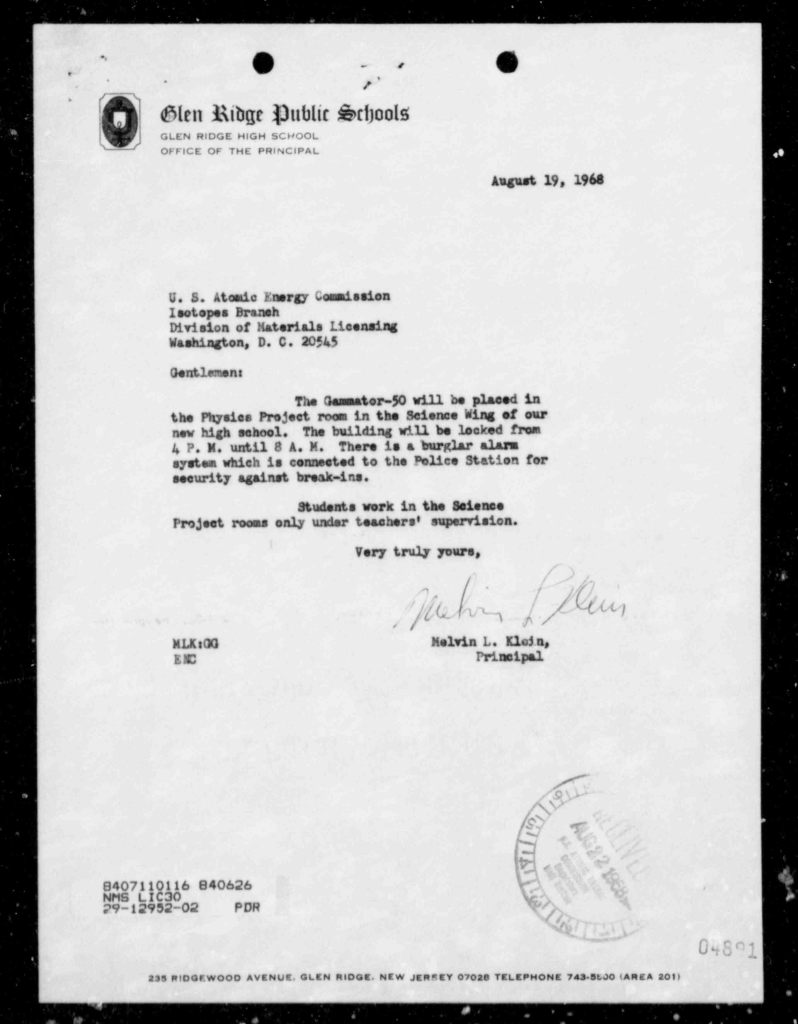
1968 to at least 1989 the Atomic Energy Commission numbers for GRHS were 29-12957-01 and 29-12957-02 Update below, it was removed in 1991.
I grew up in this town in New Jersey, 11 miles due west of the Empire State Building where the EPA found Uranium, Thorium and Radium under our Little League Field at Carteret Park, and the next town over was Bloomfield New Jersey that had the Westinghouse Uranium and Thorium processing plant. But I just found that we had a device, the Gammaton 50B which contained 400 curies of Cesium 137 and was rated for 50,000 REM of radiation inside the chamber.
I will be posting the NRC correspondence and reports and you can decide for yourselves who is responsible. The man in charge was a good friend but he was way over his head on this and this whole mess is the result of the most destructive force known to man, the irresponsible Atomic Energy Commission that sent devices like this all over the country and the world on the “Atoms for Peace” initiative and they were also responsible for the atomic tests.
These documents are on the Nuclear Regulatory Commission Website and I will post the Title of document with link and then the screen shots of the pages
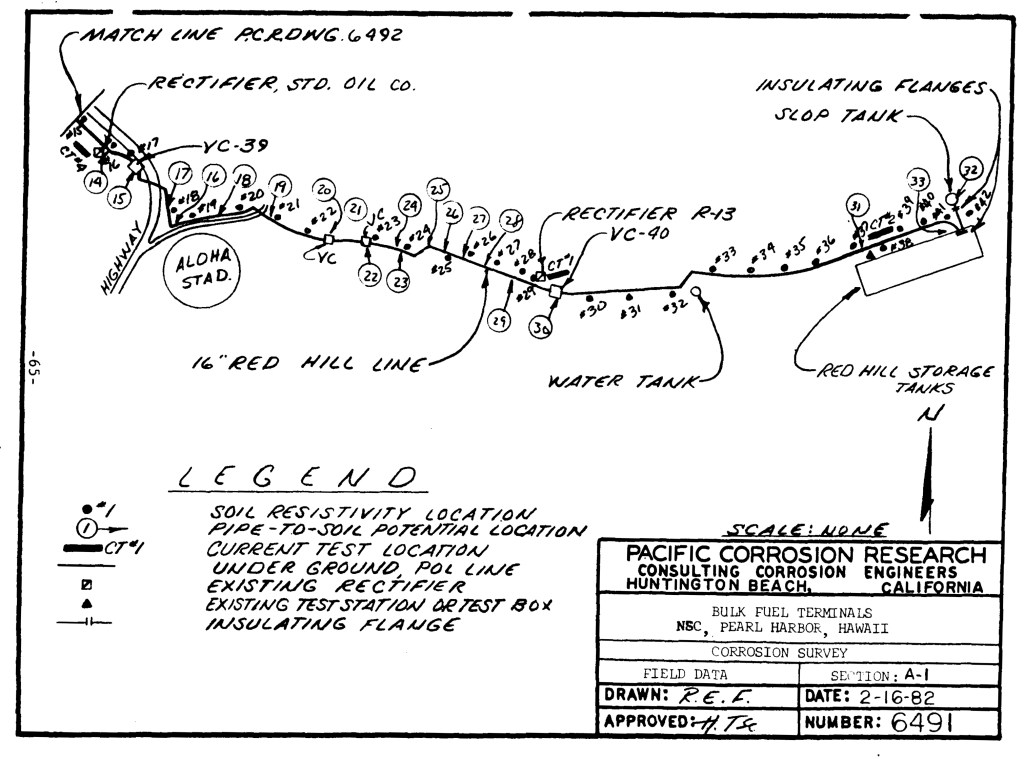
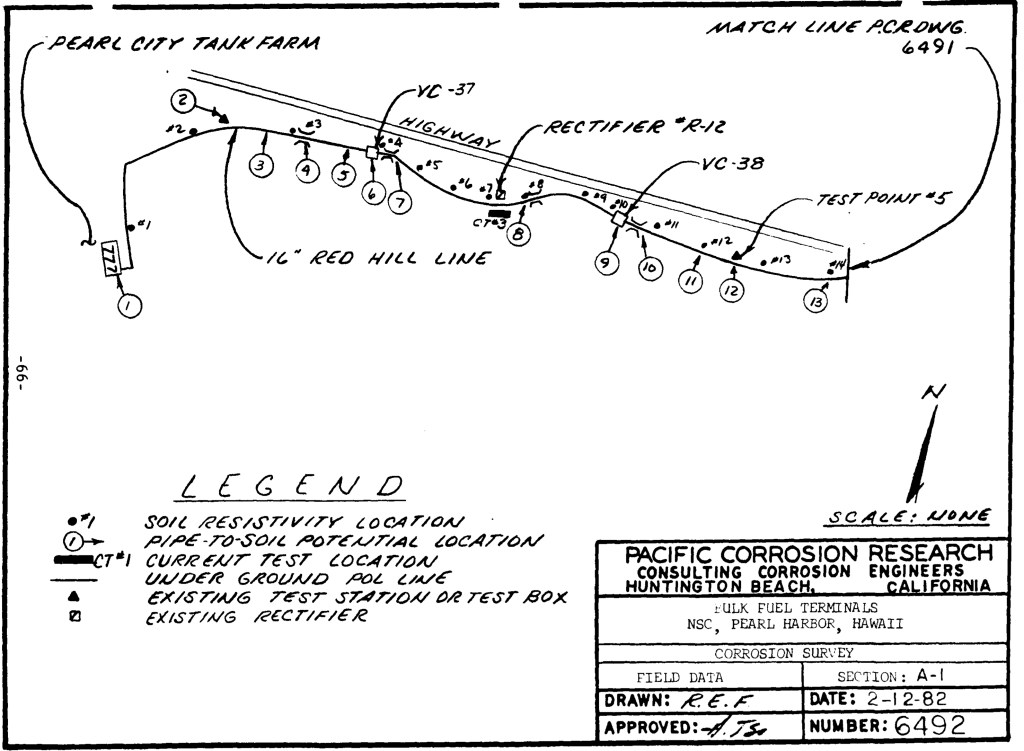
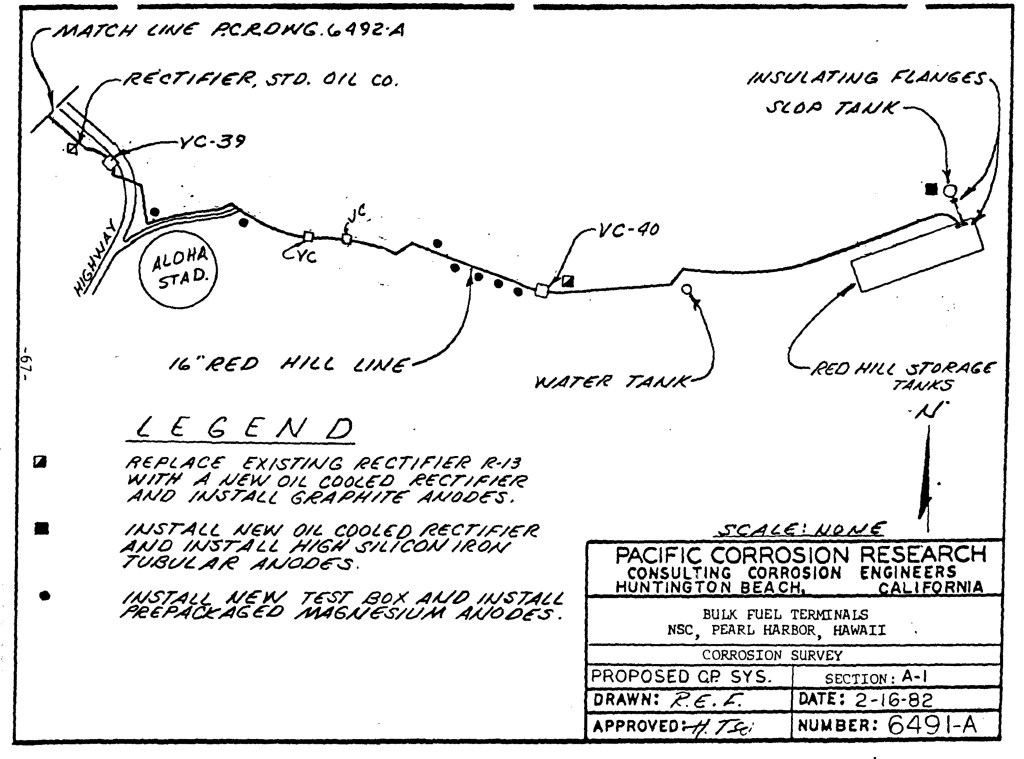
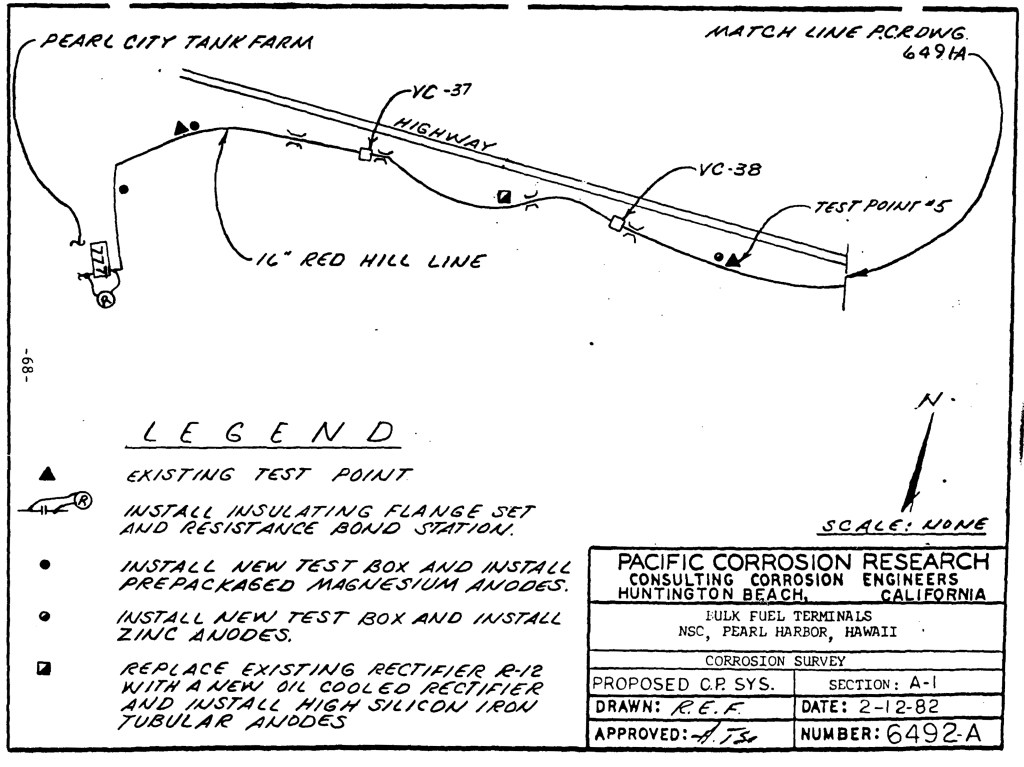
Pearl Harbor is an ecological disaster area thanks to the US Navy and their leaking oil tanks that rest on the aquifer – leaking since at least 1982 according to Navy report.
The Navy is also censoring all mention of the crisis as Dec 7th comes along the 80th Anniversary of the Bombing of Pearl Harbor but what are the survivors going to drink as the tap water is now toxic. The NAVY screwed up, again and instead of addressing the leaking oil tanks and pipeline they let it fester and now 1/8 of Honolulu’s water supply is contaminated with oil. The Navy is distributing bottled water and it couldn’t have come at a worse time for their PR and the people are appalled at the results.
Santa Susana Nuclear Disaster America’s China Syndrome, nuclear cloud spread over Simi and San Fernando Valleys
With the recent press about placing a nuclear reactor on the moon, the environmentalists are reacting to this as if it was a new thing. Neil Armstrong armed a nuclear reactor on the Moon during the Apollo 11 landing which is still in operation on the moon. It is used as a measuring device to measure the distance from the earth to the moon and thus help in navigating in space.
Boeing and Atomics International developed the SNAP reactors at Santa Susana which is in the hills just south of Simi Valley. One of the reactors melted down in 1959 causing the largest and most deadly nuclear accident in US history if you don’t count the nuclear tests. Here is a documentary explaining what happened when the nuclear reactor, the salt cooled reactor melted down and exploded causing a radioactive cloud to encompass Simi Valley and across San Fernando Valley. There was no containment, no shielding.
Also they burned radioactive waste so that it would be dispersed on the wind because the red tape made it “impractical” to bury it properly in disposal sites. Note that again this smoke was deposited over Simi and San Fernando Valleys.
4 reactors blew up over the course of many years of the SNAP reactor project. The reactors were being developed for spacecraft and airplanes. The airplane engine program was halted when the military decided it was a bad idea because if a plane crashes, we would have just given the enemy a working nuclear reactor.
Reactors for Space
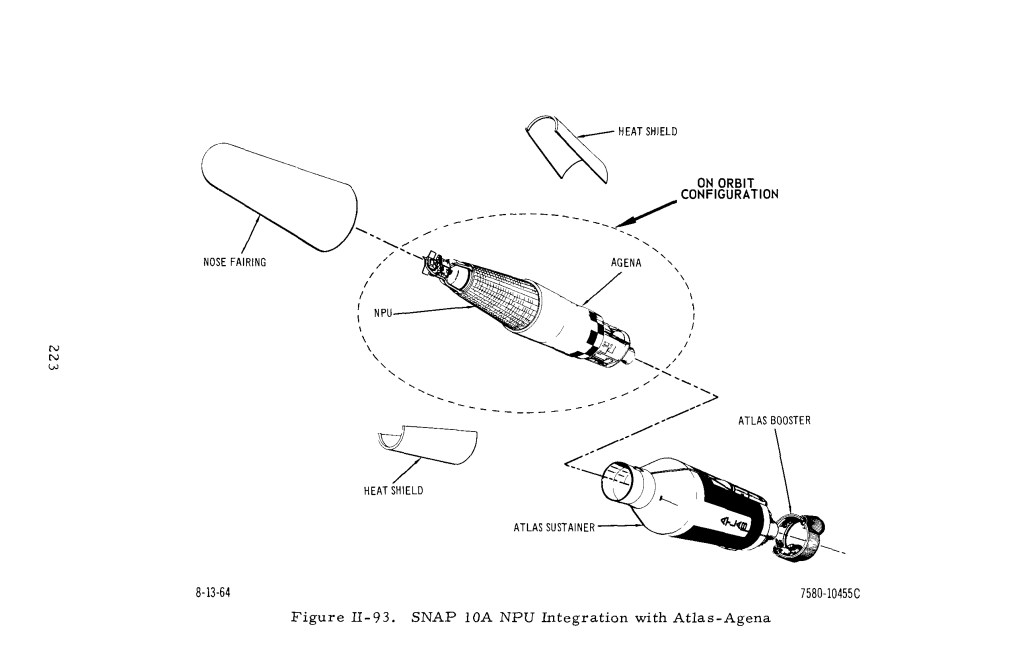
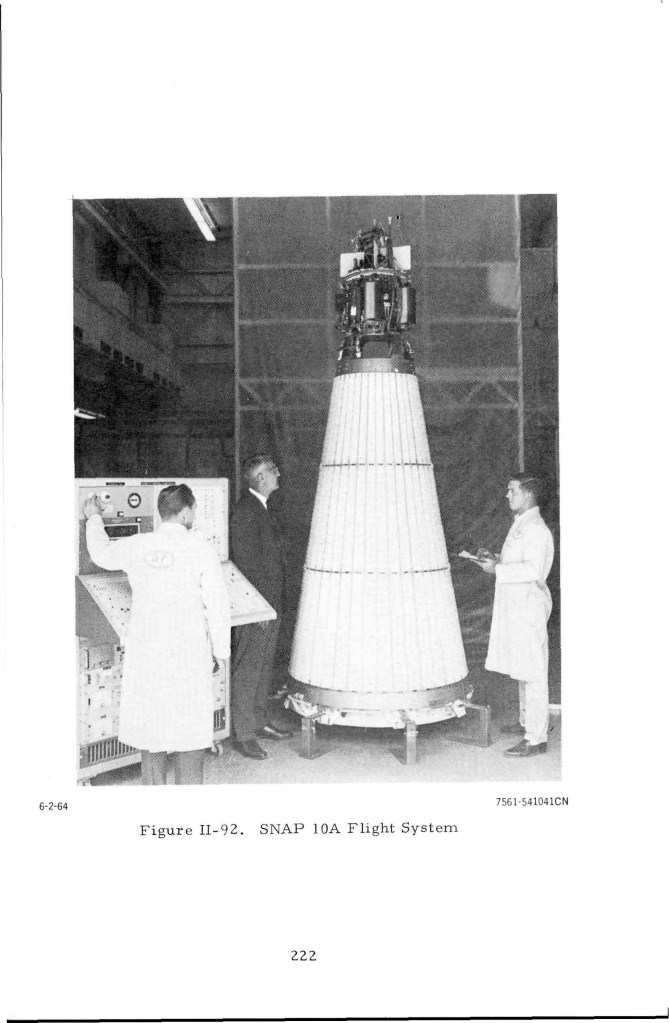
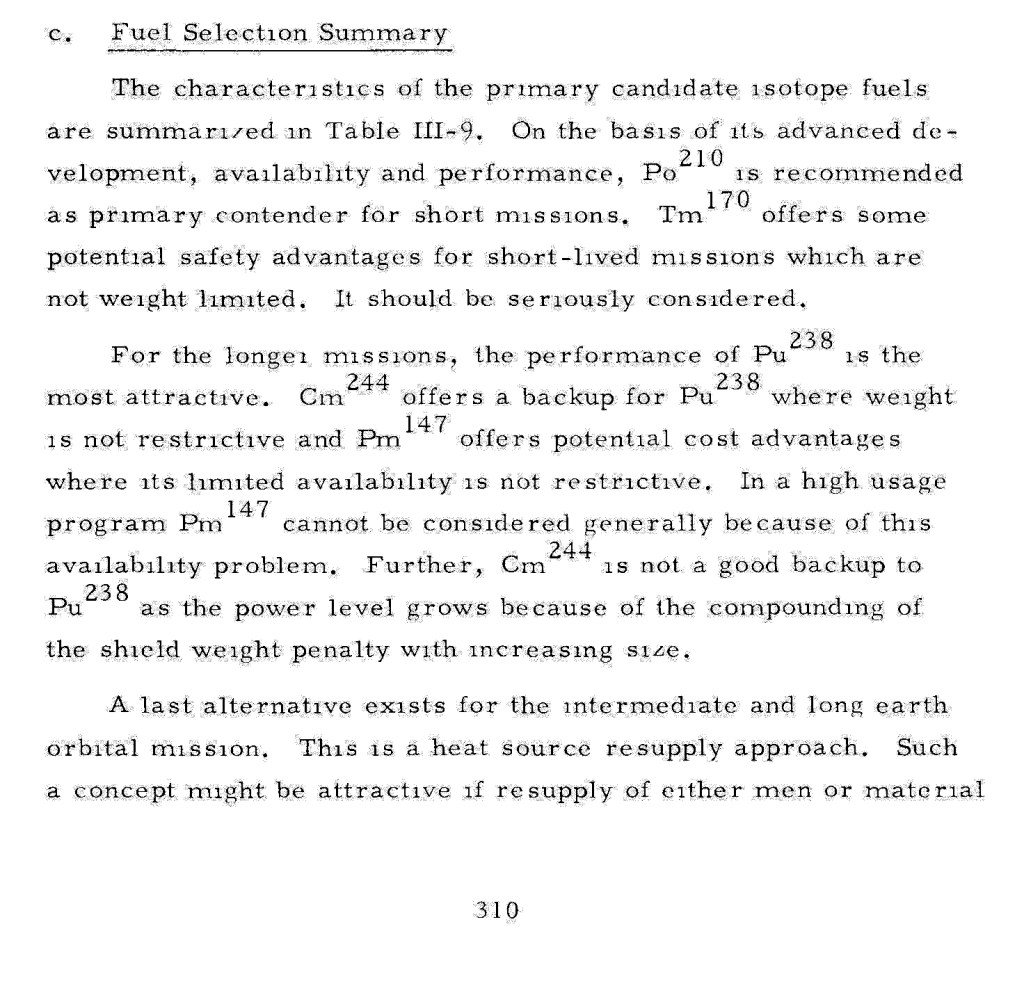
“NUCLEAR SPACE POWER SYSTEMS,” H. M. DIECKAMP Vice President, Engineering; ATOMICS INTERNATIONAL A Division of North American Aviation, Inc. P. 0. Box 309 Conoga Park, California ISSUED: SEPTEMBER 1967 p 223
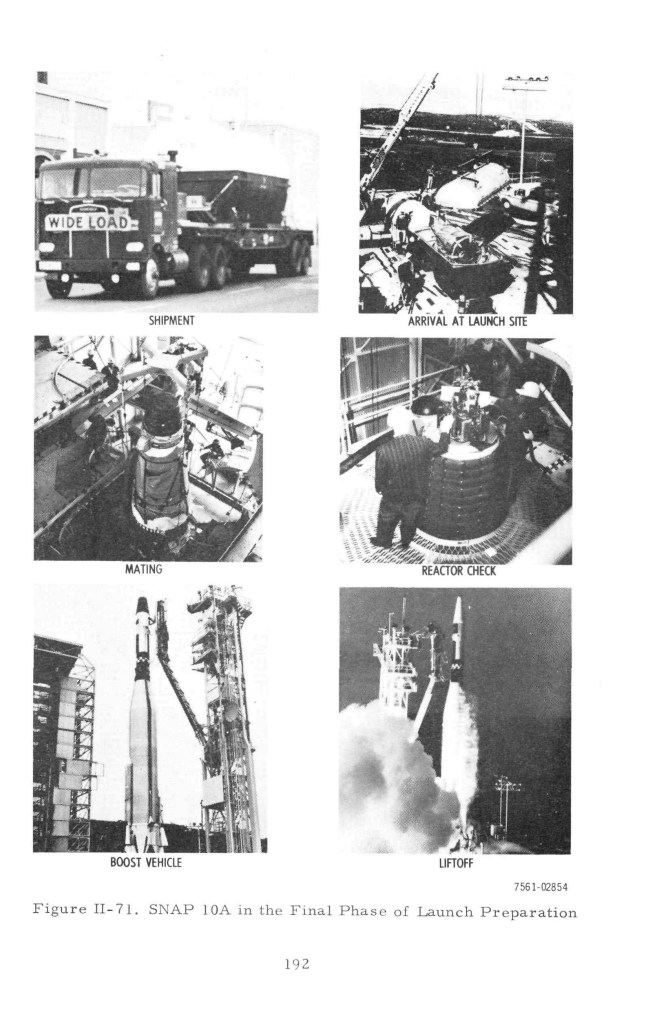
Film: First Nuclear Reactor In Space 71502 From Internet Archive: “Made in 1965 by the U.S. Atomic Energy Commission, this rare film discusses the design of SNAP-10A, an experimental nuclear reactor launched into space in 1965. The Systems Nuclear Auxiliary Power Program (SNAP) reactor was developed under the SNAPSHOT program overseen by the U.S. Atomic Energy Commission.
SNAP-10A was launched from Vandenberg AFB by an ATLAS Agena D rocket on April 3, 1965 into a polar low Earth orbit altitude of approx. 1,300 km. Its nuclear electrical source, made up of thermoelectric elements, was intended to produce over 500 watts of electrical power for one year. After 43 days, an onboard voltage regulator within the spacecraft — unrelated to the SNAP reactor — failed, causing the reactor core to be shut down, after reaching a maximum output of 590 watts. The reactor was left in a 700-nautical-mile (1,300 km) earth orbit for an expected duration of 4,000 years. In November 1979 the vehicle began shedding, eventually losing 50 pieces of traceable debris. The reasons were unknown, but the cause could have been a collision. Although the main body remains in place, radioactive material may have been released. ”
The following is from “NUCLEAR SPACE POWER SYSTEMS,” H. M. DIECKAMP Vice President, Engineering; ATOMICS INTERNATIONAL A Division of North American Aviation, Inc. P. 0. Box 309 Conoga Park, California ISSUED: SEPTEMBER 1967
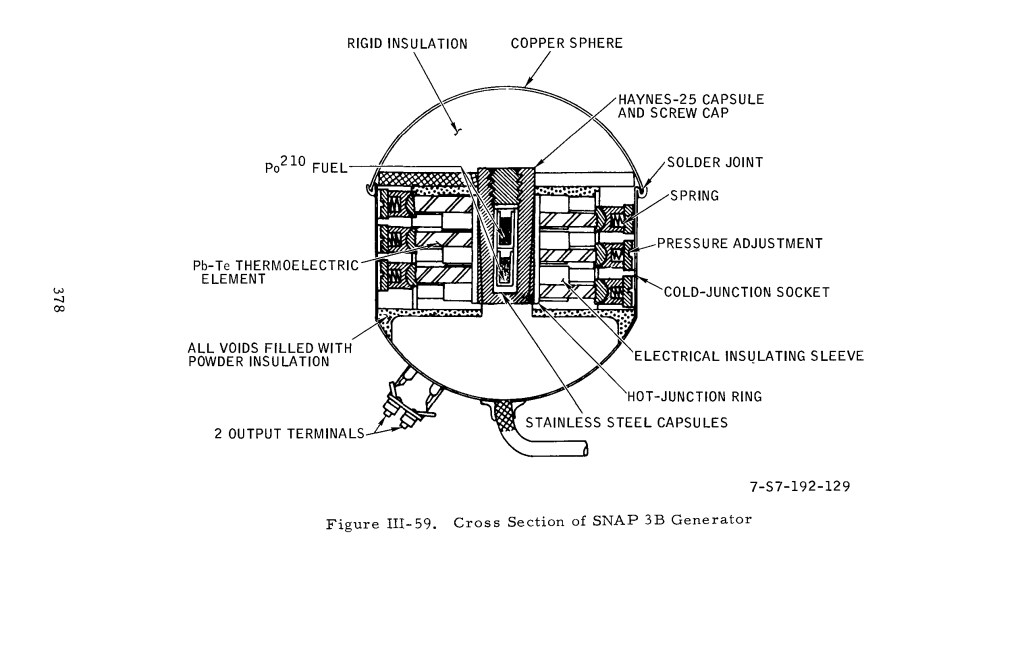
“The first nuclear power system in space was SNAP 3B, a 2.7-watt radioisotope unit fueled by Pu [Plutonium], which was launched in June 1961. The first reactor power system in space was SNAP 10A, a 500-watt unit, which was launched m April 1965. To date, five radioisotope units with power levels up to 25 watts and one 500-watt reactor unit have been used in the U. S. Space Program.” page 19
Page 378 the SNAP 3B Generator
SNAP 10A Nuclear Reactor launched in 1965
SNAP 10A Nuclear reactor was launched into Space in 1965
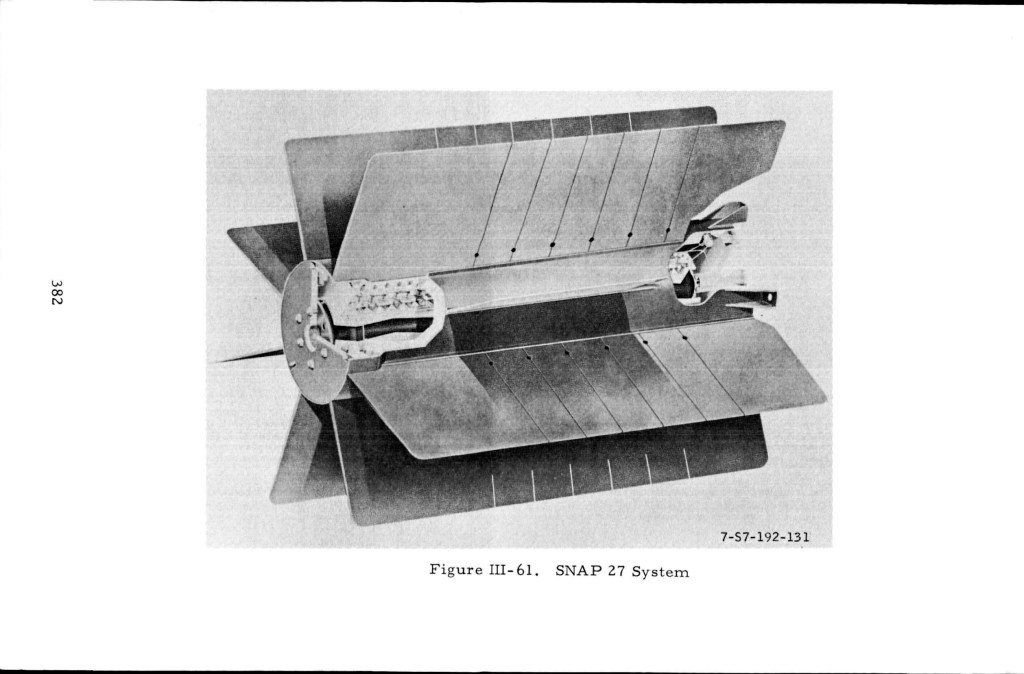
SNAP 27 Nuclear Reactor for NASA’s Apollo Missions
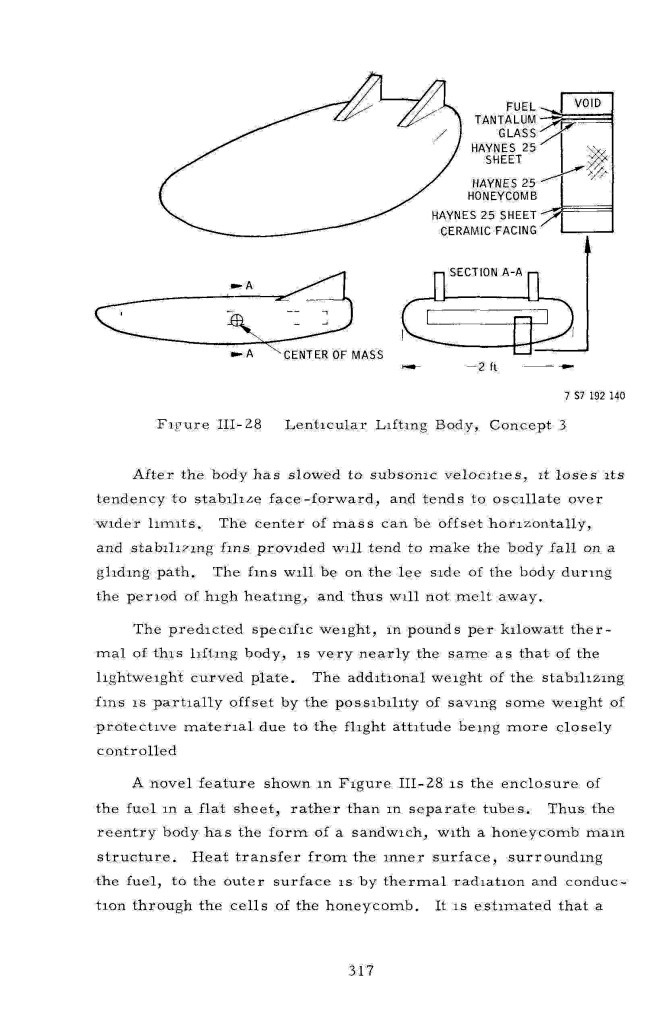
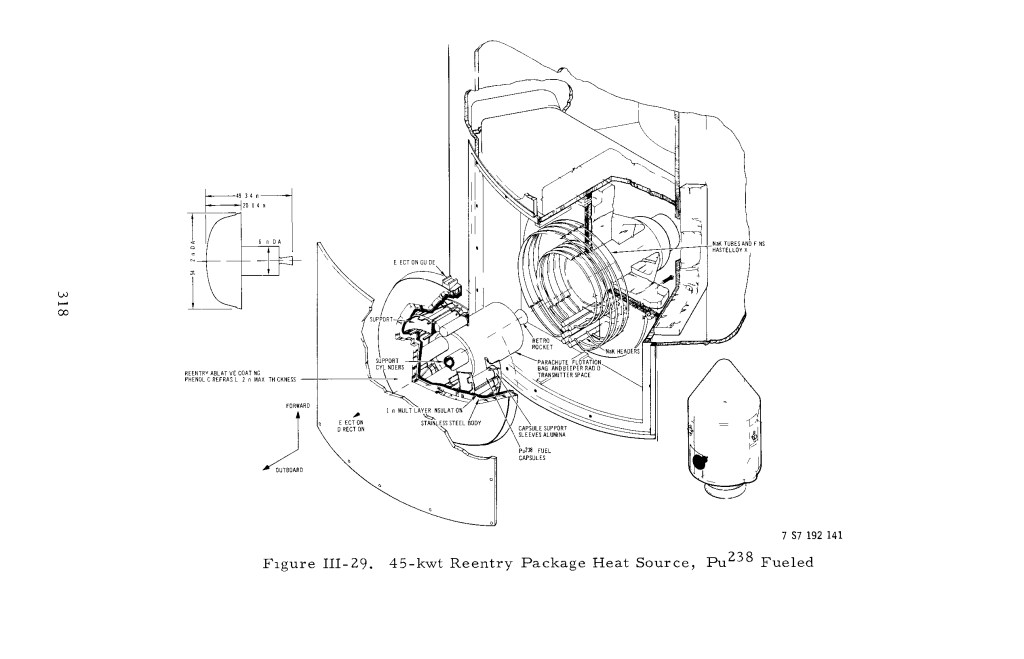
Re-entry vehicle for nuclear fuels
NASA planned on regular missions to fuel a space station where they would send nuclear fuel up to orbit and back down again. This involved creating a device that could land and safely return the fuel elements of a reactor without breaking. This led to the creation of the Space Shuttle. The question is how much nuclear materials were on the Space Shuttles that crashed to the earth and should the local populations of the crash sites be concerned?
Concept drawing for a device to return nuclear fuel back to earth safely by gliding it in just like what would eventually be the Space Shuttle.
Diagram of a Plutonium powered heat source for a capsule that returns to earth.
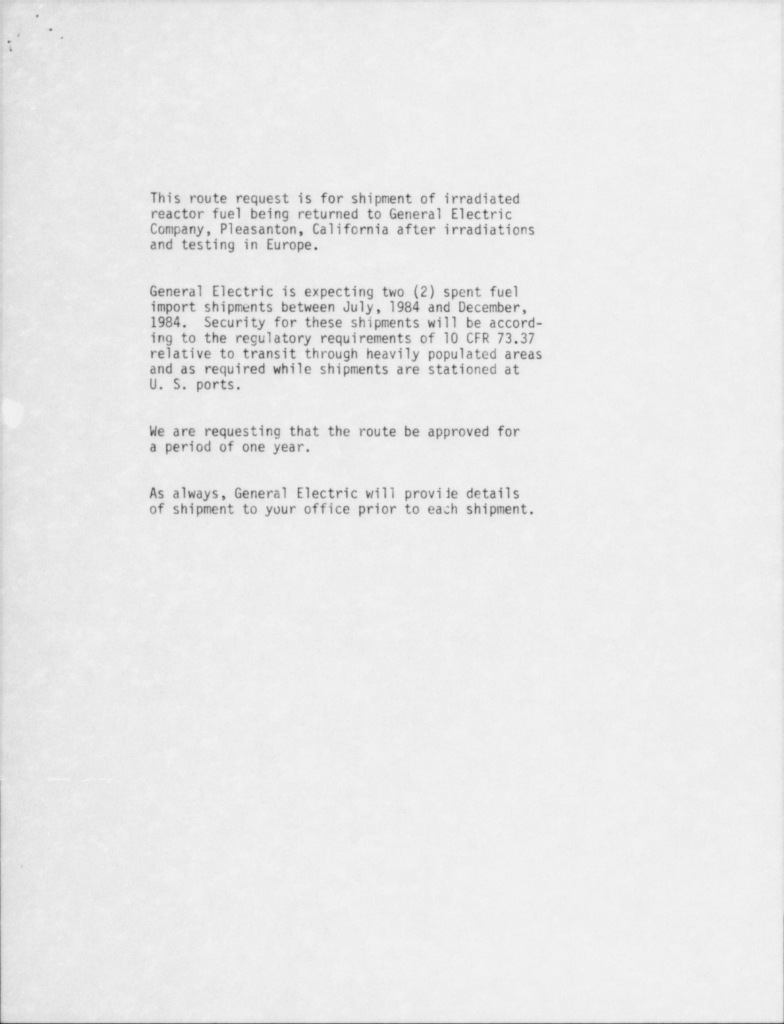
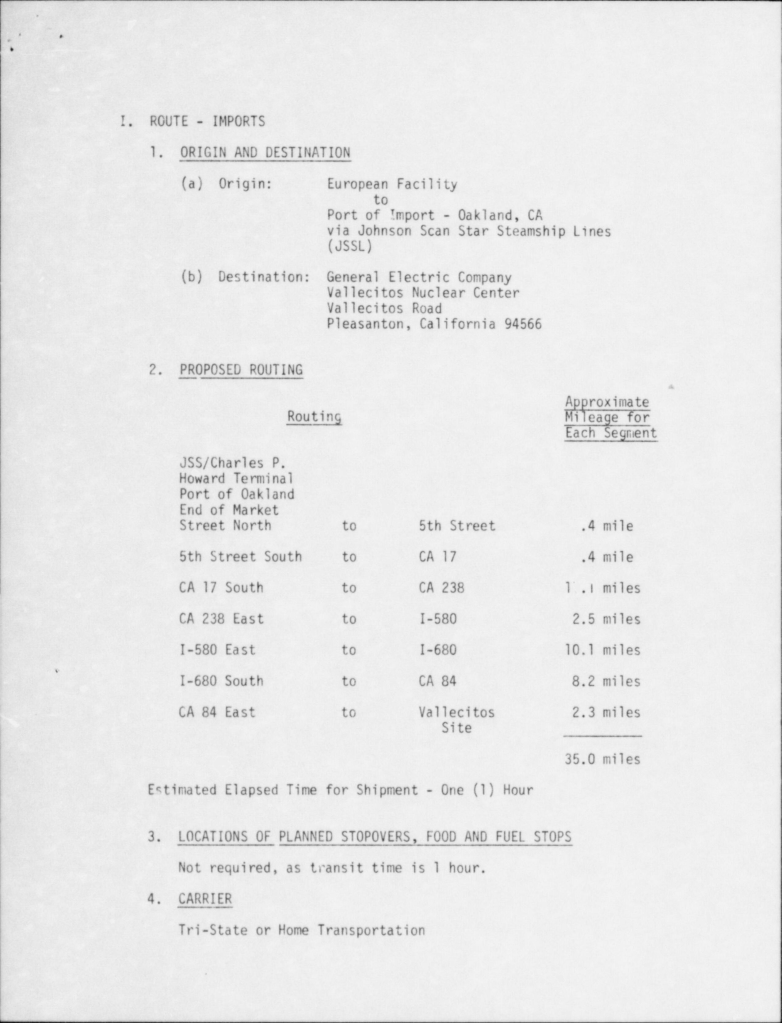
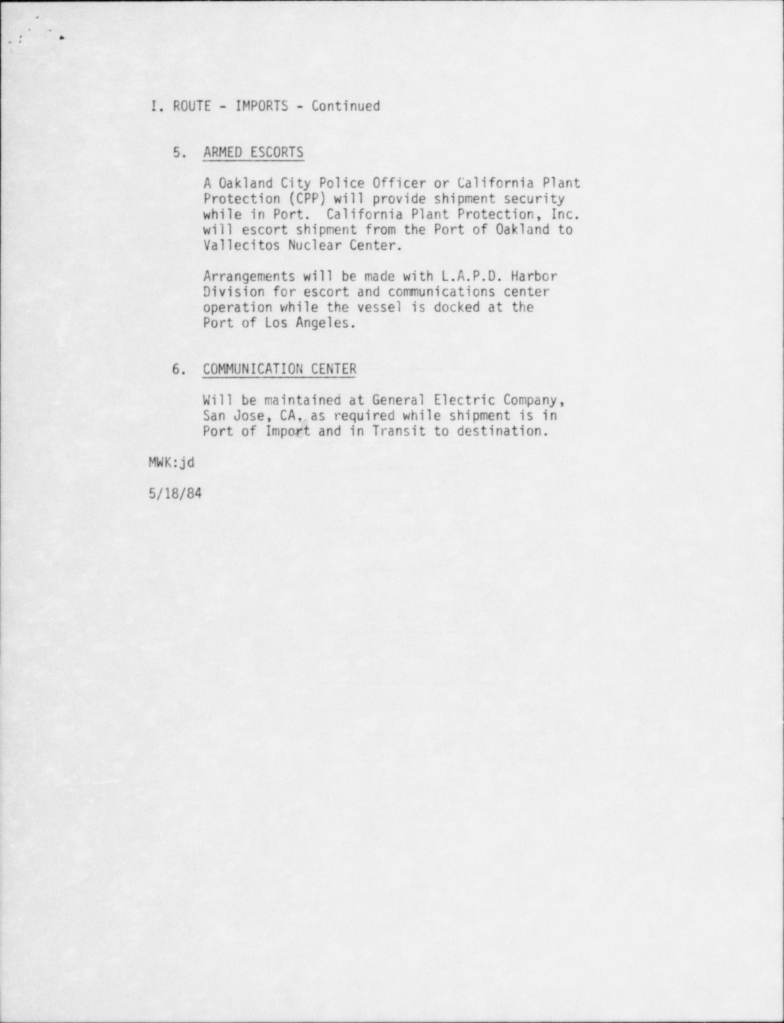
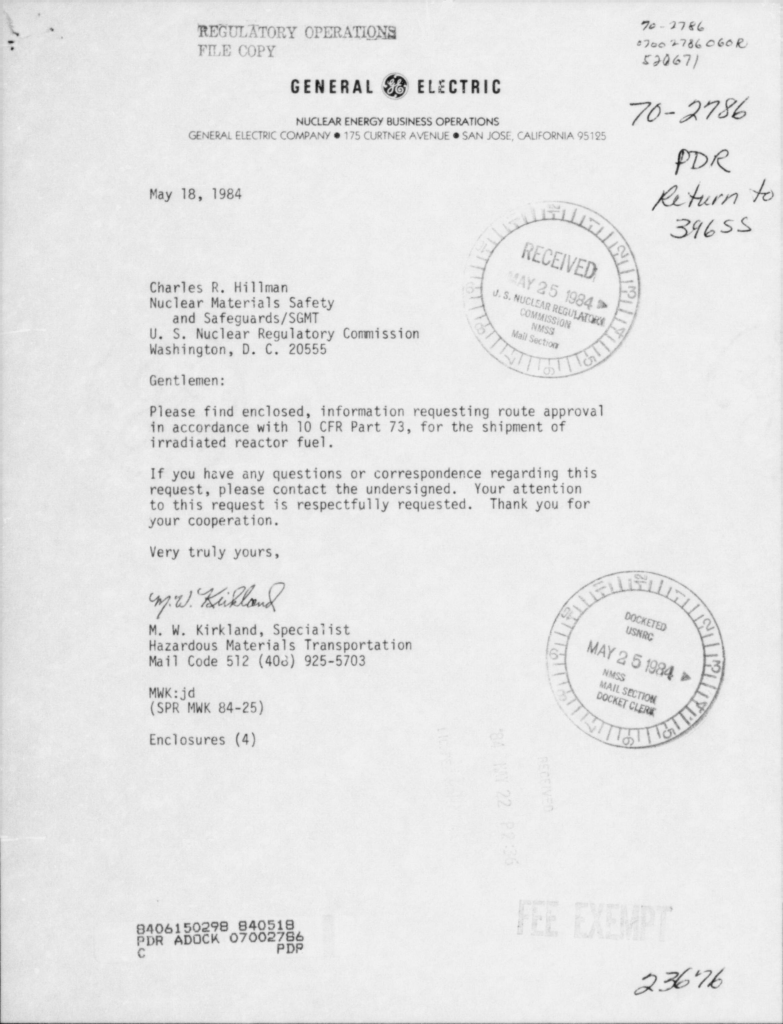
Nuclear Regulatory Commission has several surviving documents on General Electric moving Nuclear Reactor Fuel Rods to and from the Oakland Howard Terminal from its Vallecitos Nuclear Center near Pleasanton California where they were regularly shipping nuclear reactor fuel rods to Europe and back to be irradiated and tested. This is just one of the reports from May 18 1984:
“Dummy Polaris missile is blasted skyward, then quickly arrested by cables as part of “Operation Skycatch” at the San Francisco Naval Shipyard. In earlier tests, the dummy missiles were hurled into San Francisco Bay, then retrieved. Under the new method, a huge overhead assembly catches the multi-ton dummy in mid-air, simplifying the retrieving procedure and also permitting accurate study of the effects of launch stresses on dummy missiles which are structurally identical to an actual Polaris. The tests are being conducted by engineers from Westinghouse and the Lockheed Missiles and Space Division in conjunction with the U. S. Navy. Westinghouse is prime contractor for launching equipment, and Lockheed is Polaris missile system prime contractor and manager.”
Before all of the cleanups, and while the US Navy’s Radiological Defense Lab was conducting its radiation experiments all over Hunters Point Shipyard, the Navy was firing off Polaris Missiles spreading the radiation all over the Bay View Hunters Point neighborhood thus causing the highest levels of breast cancer in the world for child bearing age African American Women.
This is what happens when the Navy keeps things to themselves and refuses to acknowledge the truth, they did this to the people of San Francisco and they should be made to pay for what they have done to the unsuspecting victims of their pollution.
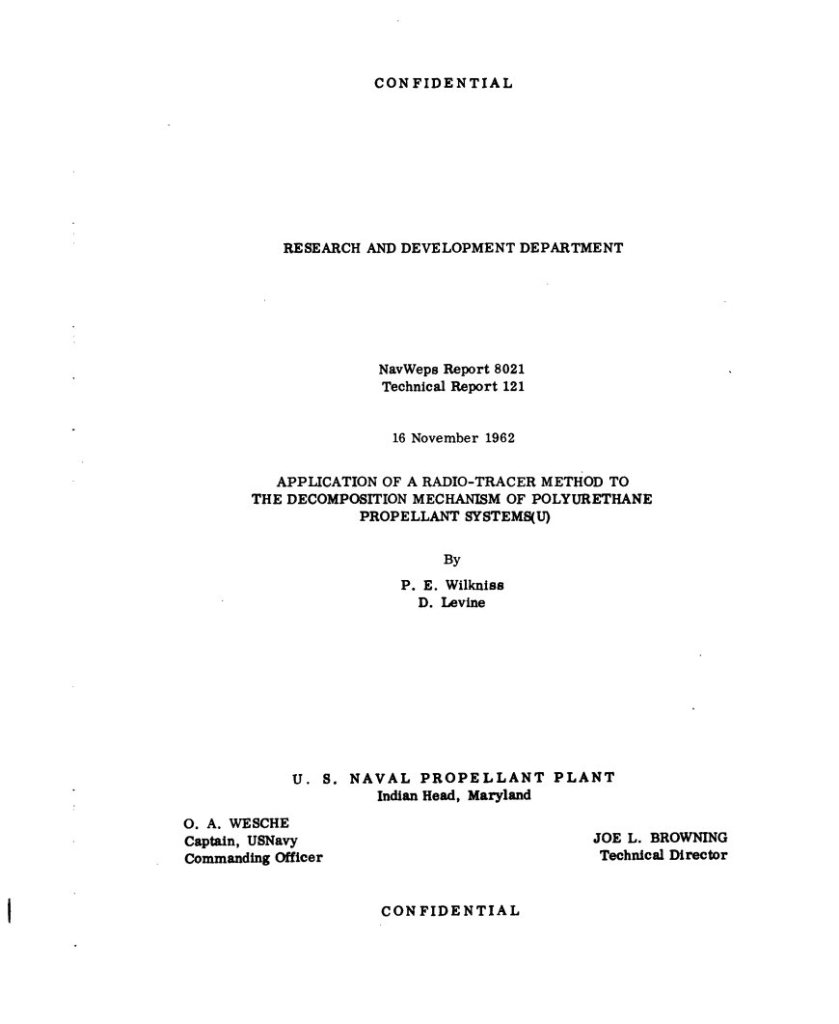
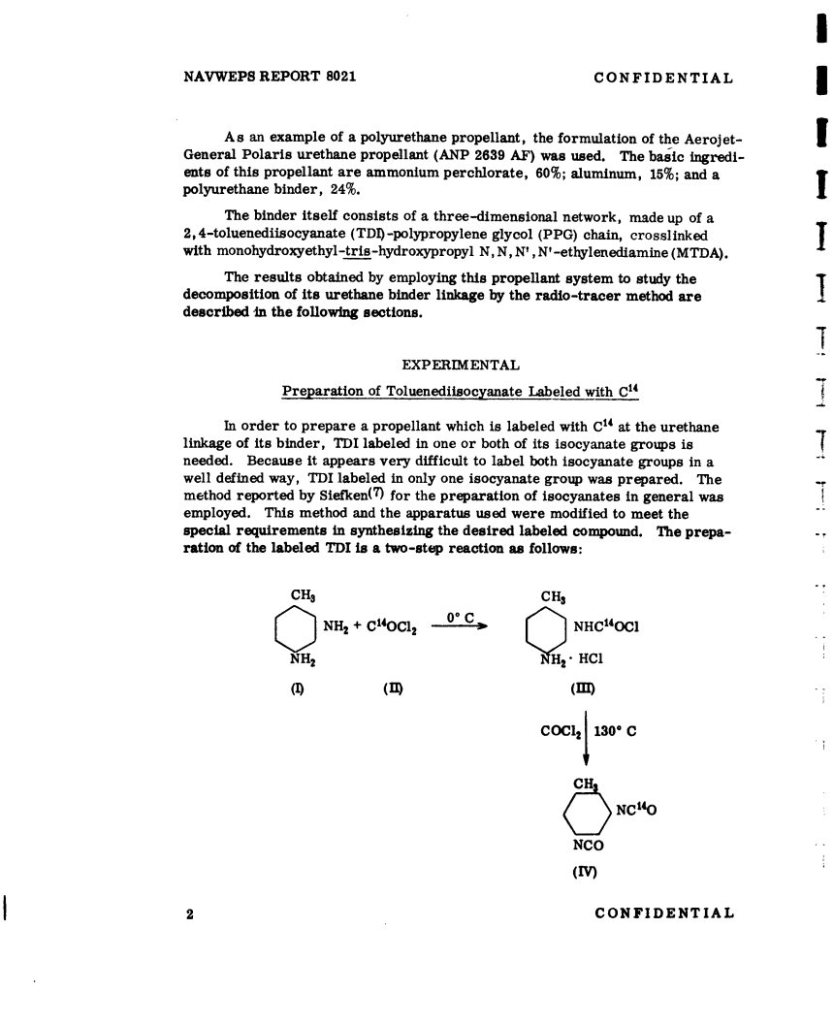
As an example of a polyurethane propellant, the formulation of the AerojetGeneral Polaris urethane propellant (ANP 2639 AF) was used. The basic ingredients of this propellant are ammonium perchlorate, 60%; aluminum, 15%; and a polyurethane binder, 24%.
The binder itself consists of a three-dimensional network, made up of a 2,4-toluenediisocyanate (TDI) -polypropylene glycol (PPG) chain, crossl inked with monohydroxy ethyl-tris-hydroxypropyl N, N, N’ , N’-ethylenediamine (MTDA).
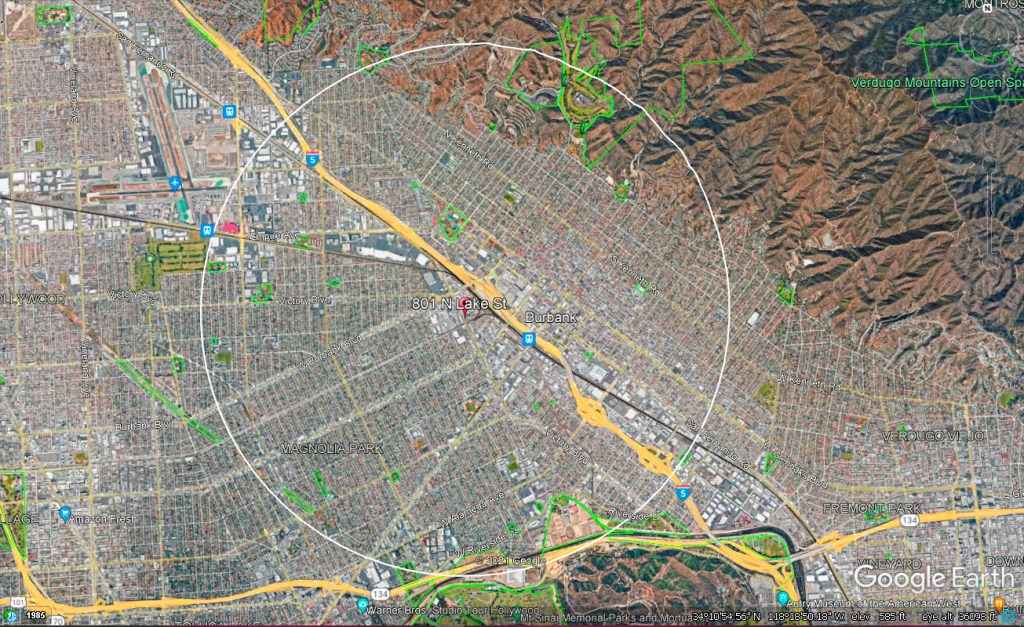
US. Nuclear Corporation in Burbank California had a problem, without any authorization they decided to try to remove the outer casing of a Plutonium Beryllium device that produced Neutrons, a DEMON CORE that was used for training in the US Navy for sailors to train to find atomic bombs and this training was on every ship and base including at Treasure Island.
They placed the core onto a Lathe which is used to spin wood or metal to make rounded cuts into objects, just as if you were to make a staircase knob, you cut into it as it spins to make rounded objects. So naturally they decided to do this with the most dangerous thing in the world a Demon Core of Plutonium and Beryllium.
When the Atomic Energy Commission was tipped off about this incident by an anonymous source they came into the facility where the US Nuclear Corporation employees had just bought an industrial vacuum cleaner to clean up the site. They also failed to mention the accident to the AEC as required by law (see below)
Yeah that would not cut it.
Range of possible Plutonium Contamination from the Burbank Nuclear Disaster January 18, 1968
The Demon Core was made popular in the movie “Fat Man and Little Boy” which combined two separate incidents where the scientists at Los Alamos were showing off and caused fission to take place killing in each case the show off scientist. It should be noted that spinning plutonium at high speed is not something that you want to do.
The Pu-Be core was made with pellets of Plutonium and the Berylium reflects the neutrons so you can create measured levels of neutron radiation, the radiation of fission found in nuclear reactors and atomic bombs. The US Navy Radiological Defense Lab had two of these devices as of 1960 which were about the size of a casing for a old movie projector and they used it to bombard ships with it to see how far into a ship the neutron radiation would penetrate, in order to make ships safer. When they turned it on they made sure everyone was in a separate building in shielding to protect themselves from the radiation. Not the public, just them. It is the same radiation found in a nuclear power plant or a nuclear detonation.
US Nuclear Corporation decided all on their own without any authorization to divide up the Plutonium into smaller amounts to make more devices.
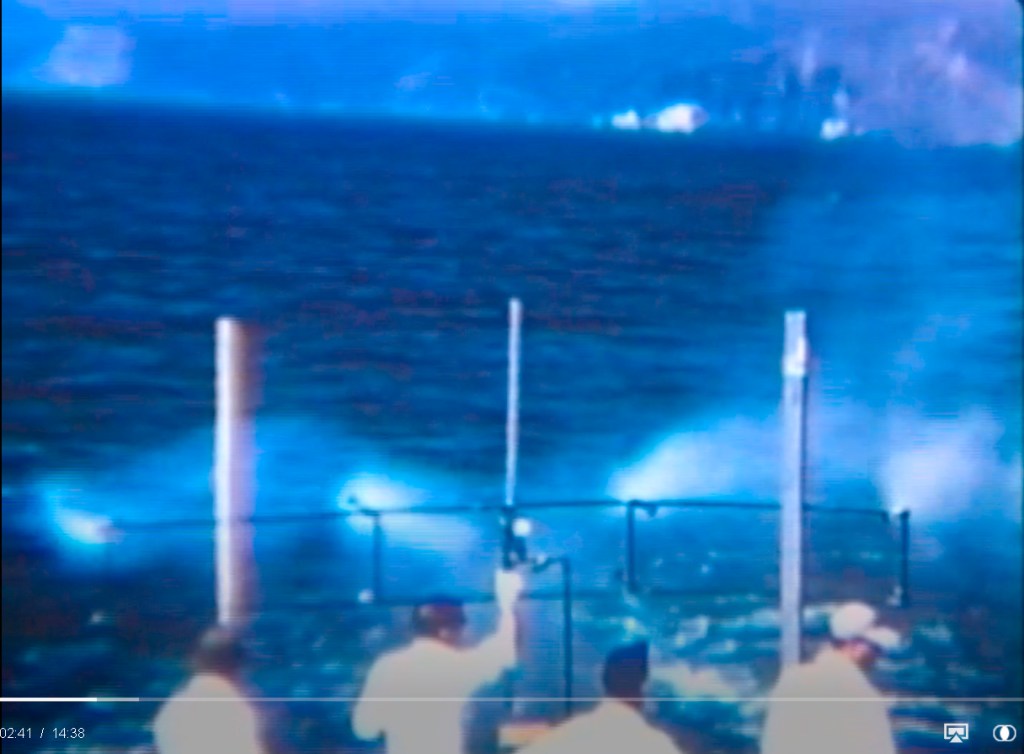
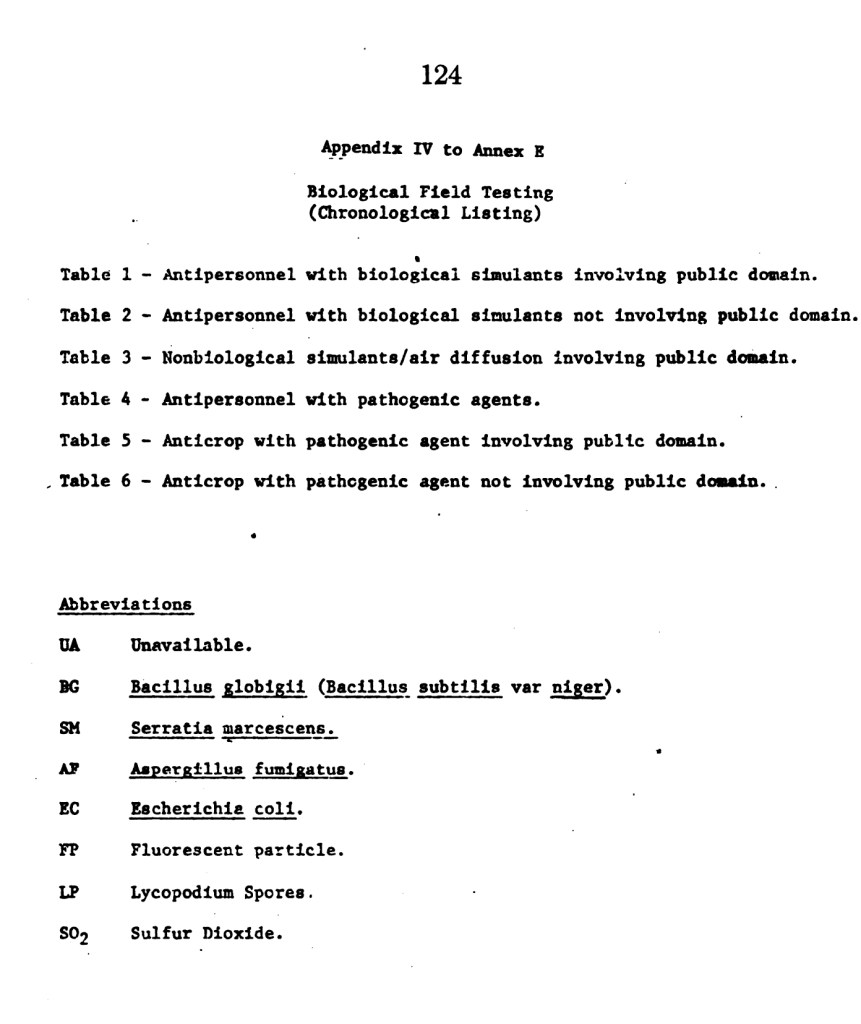
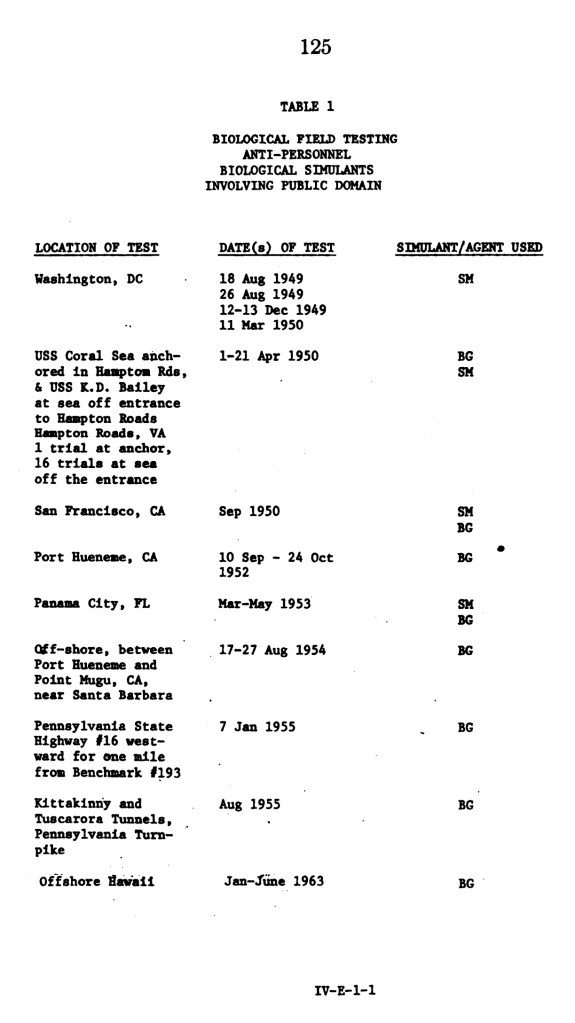
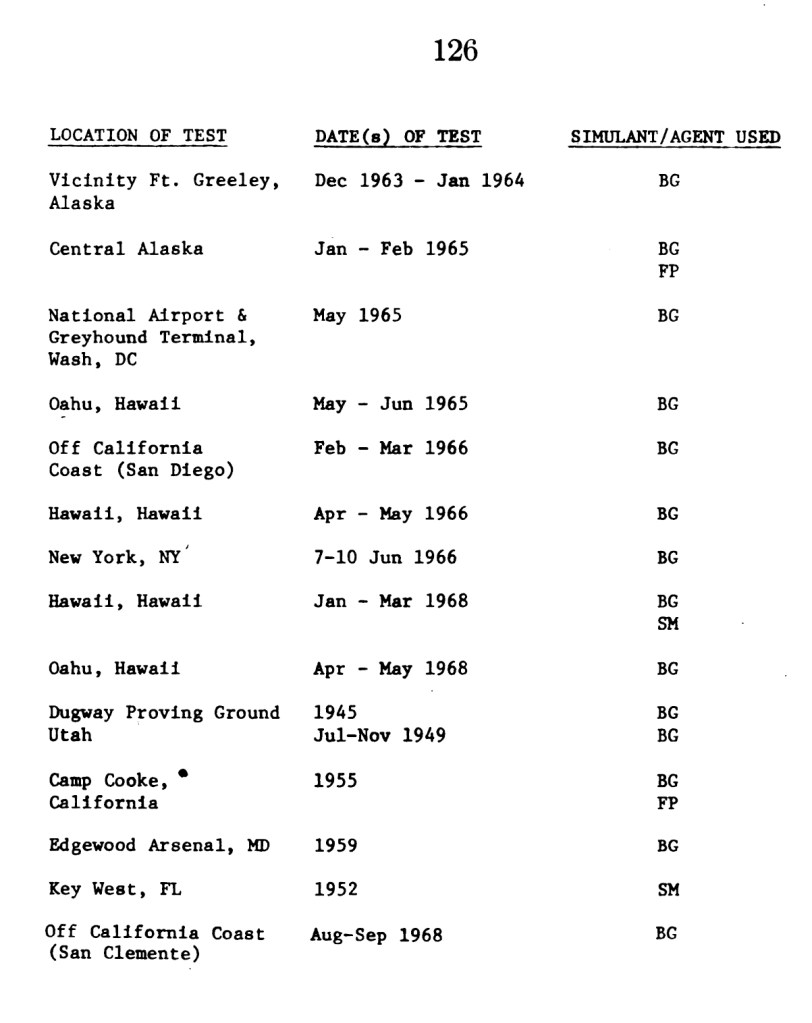
Film of the Navy purposely contaminating 43 square miles of San Francisco with Serratia marcescens in 1950 and in color, at 2:25 “Naval Concepts of Chemical and Biological Warfare” Naval Concepts of Chemical and Biological Warfare (1952), Department of Defense Film Production, National Archives and Records Administration Catalogue # 428.MN.9170A, Declassified NND Authority # 64044
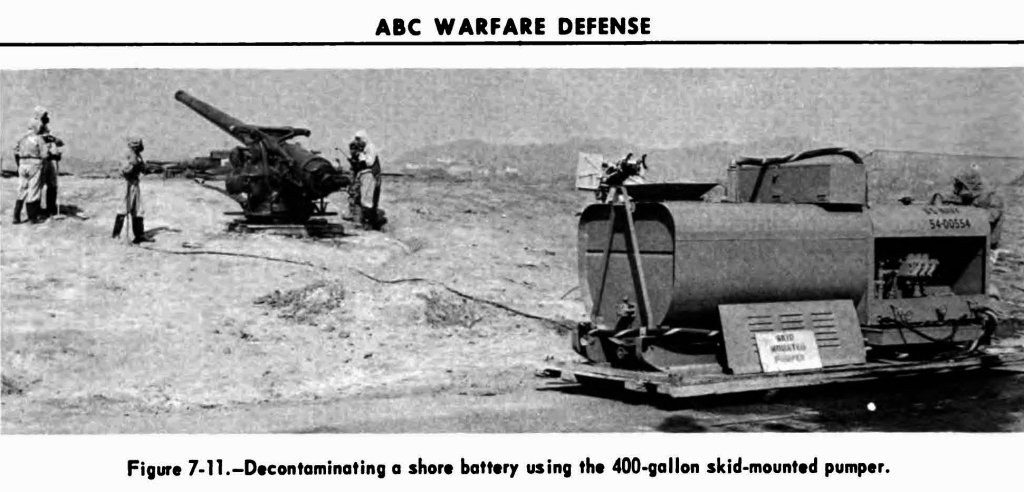
The Atomic, Biological and Chemical Warfare School at Treasure Island and the US Navy’s Radiological Defense Laboratory at Hunter’s Point Shipyard in San Francisco.
US Navy Dispensary on Fell Street San Francisco – Home of the Bureau of Medicine for Operation Crossroads the Atomic Bomb tests at the Bikini Islands in 1946 (See 1946 listing under Chronology), the personnel who figured out how to clean ships contaminated by an Atomic Bomb Blast and it continued radiological work through 1960. Note this location is within 1200 feet of San Francisco City Hall which will need a radiological survey including an alpha particle survey by the EPA. Twitter Headquarters is also located several hundred feet from this location and since it was an old building, it too must be checked out for contamination.




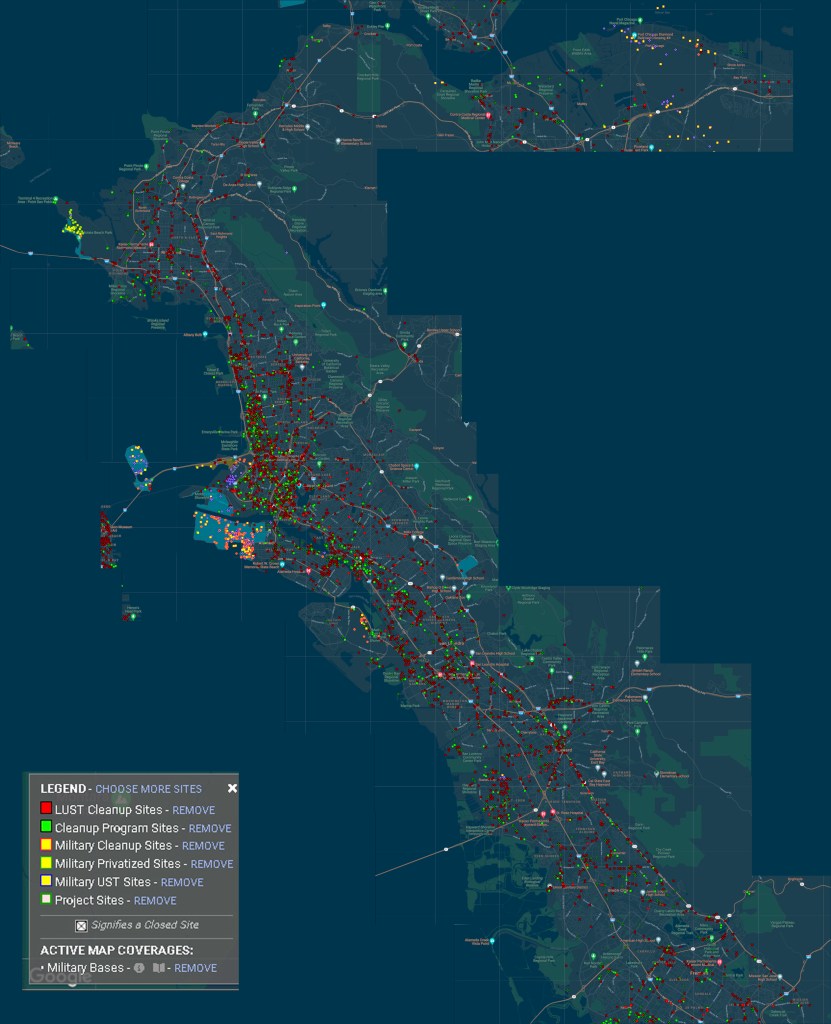
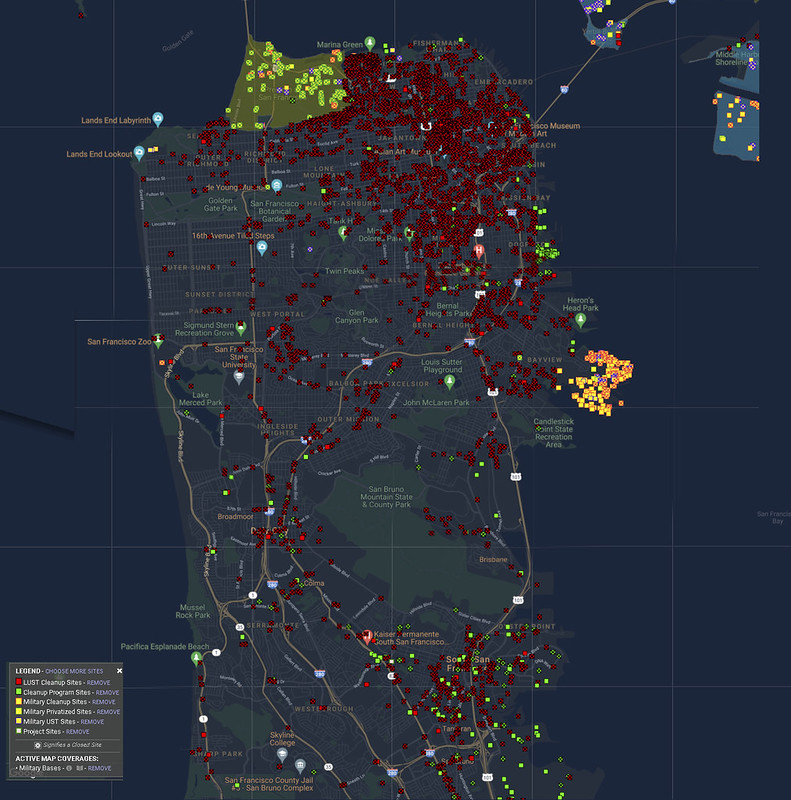
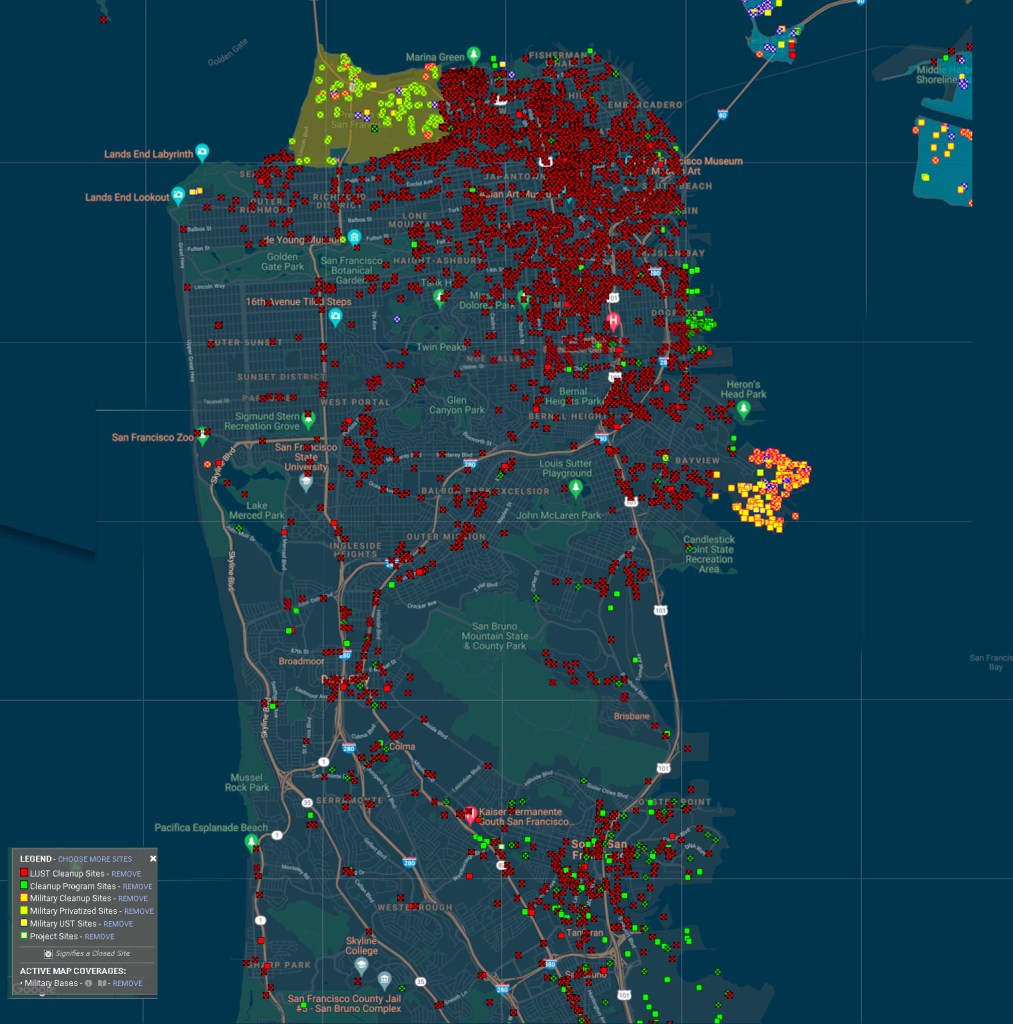
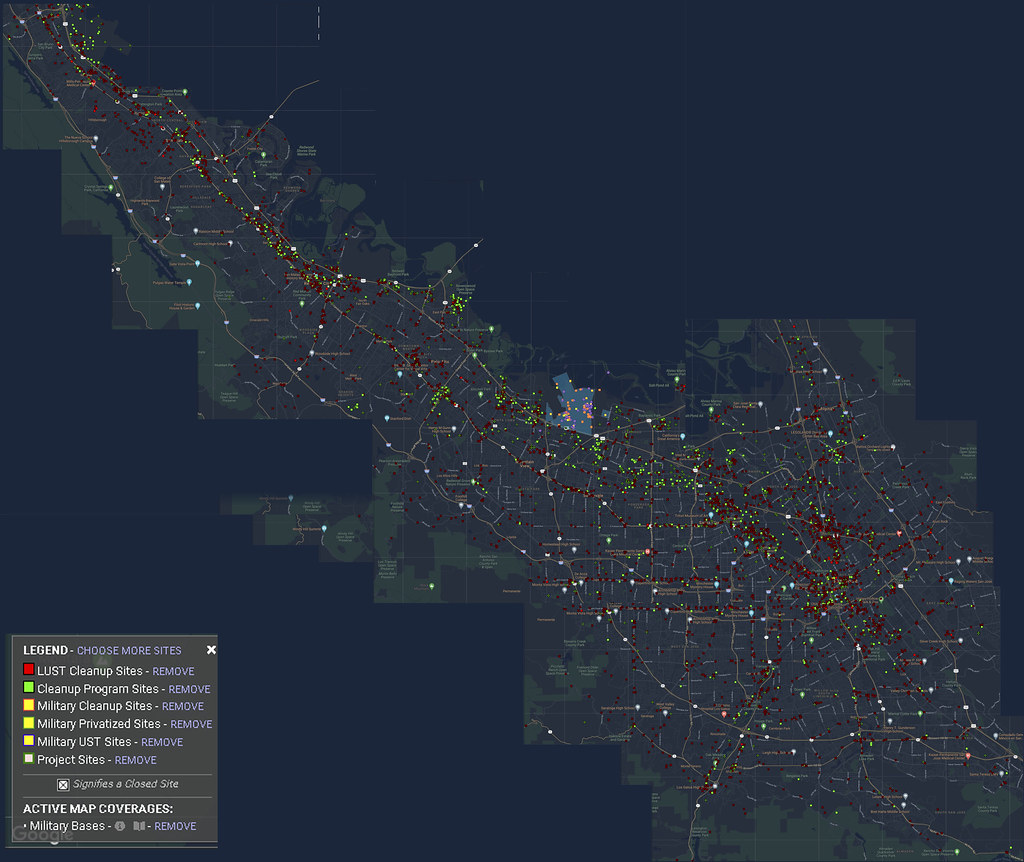

 Disaster Area
You must be logged in to post a comment.