Polaris Missiles launched at Hunters Point Shipyard into SF Bay tested by Westinghouse Sunnyvale CA 1959

Westinghouse Electric Corporation Annual Report 1959 ANNUAL REPORT
WESTINGHOUSE ELECTRIC CORPORATION-3 Gateway Center, Pittsburgh 22, Pennsylvania

Westinghouse Electric Corporation Annual Report 1959 ANNUAL REPORT
WESTINGHOUSE ELECTRIC CORPORATION-3 Gateway Center, Pittsburgh 22, Pennsylvania

“Dummy Polaris missile is blasted skyward, then quickly arrested by cables as part of “Operation Skycatch” at the San Francisco Naval Shipyard. In earlier tests, the dummy missiles were hurled into San Francisco Bay, then retrieved. Under the new method, a huge overhead assembly catches the multi-ton dummy in mid-air, simplifying the retrieving procedure and also permitting accurate study of the effects of launch stresses on dummy missiles which are structurally identical to an actual Polaris. The tests are being conducted by engineers from Westinghouse and the Lockheed Missiles and Space Division in conjunction with the U. S. Navy. Westinghouse is prime contractor for launching equipment, and Lockheed is Polaris missile system prime contractor and manager.”

Before all of the cleanups, and while the US Navy’s Radiological Defense Lab was conducting its radiation experiments all over Hunters Point Shipyard, the Navy was firing off Polaris Missiles spreading the radiation all over the Bay View Hunters Point neighborhood thus causing the highest levels of breast cancer in the world for child bearing age African American Women.

https://sfbayview.com/tag/highest-incidence-rates-of-invasive-breast-cancer-in-the-world/

This is what happens when the Navy keeps things to themselves and refuses to acknowledge the truth, they did this to the people of San Francisco and they should be made to pay for what they have done to the unsuspecting victims of their pollution.

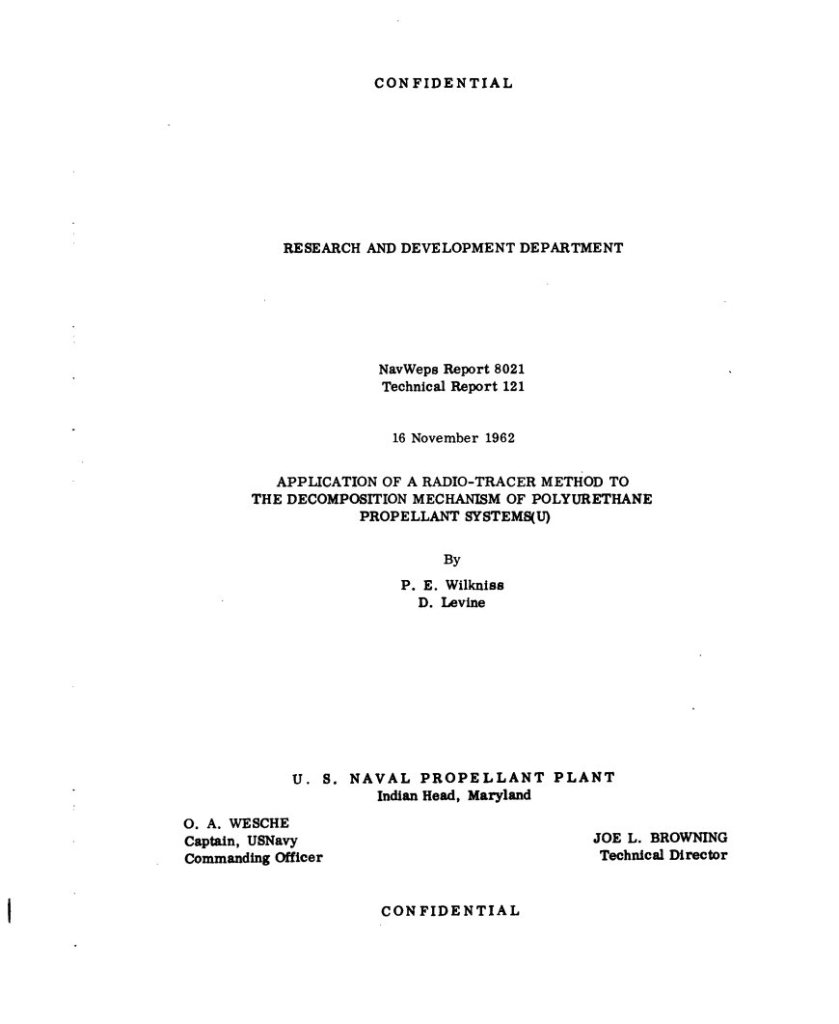
Application of a Radio-Tracer Method to the Decomposition Mechanism of Polyurethane Propellant Systems US Naval Propellant Plant, Indian Head, Maryland lists the chemicals used in the Polaris Missile. In this report they added Carbon 14, a radioactive tracer to help them measure and diagnose issues with the propellant.
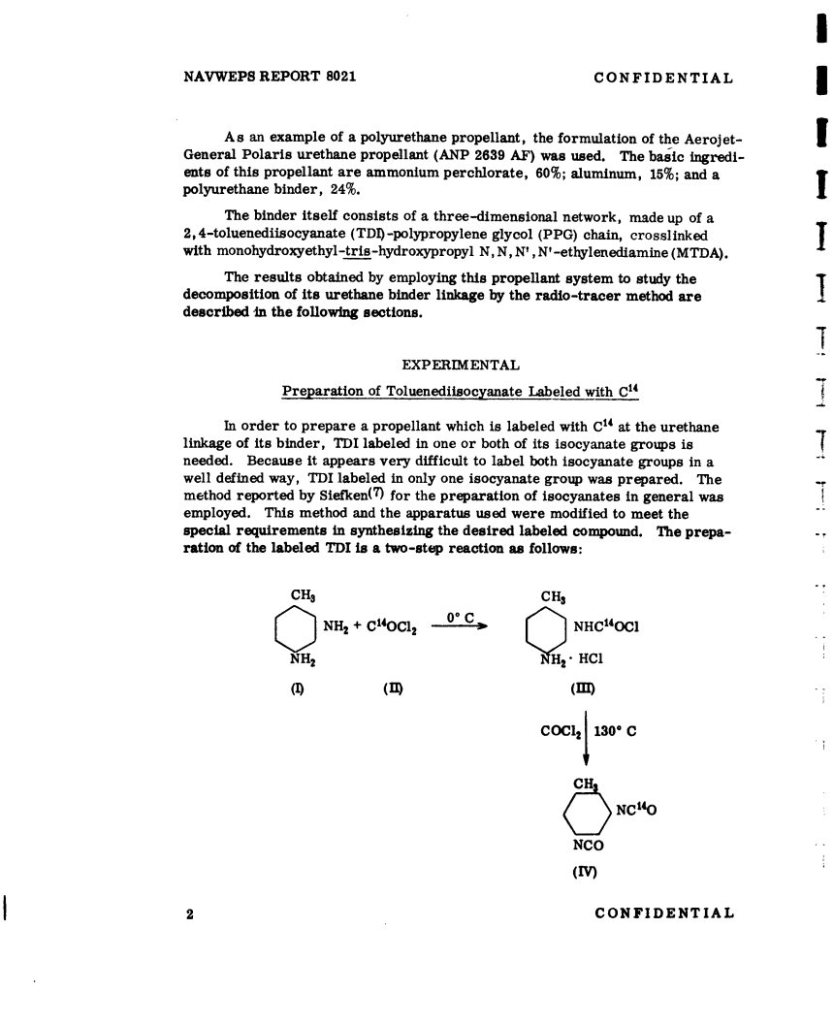
As an example of a polyurethane propellant, the formulation of the AerojetGeneral Polaris urethane propellant (ANP 2639 AF) was used. The basic ingredients of this propellant are ammonium perchlorate, 60%; aluminum, 15%; and a polyurethane binder, 24%.

The binder itself consists of a three-dimensional network, made up of a 2,4-toluenediisocyanate (TDI) -polypropylene glycol (PPG) chain, crossl inked with monohydroxy ethyl-tris-hydroxypropyl N, N, N’ , N’-ethylenediamine (MTDA).

  • Toluene Diisocyanate Pubchem Database Safety and Hazards from the NIH database
    • H315 (> 99.9%): Causes skin irritation [Warning Skin corrosion/irritation]
    • H317 (> 99.9%): May cause an allergic skin reaction [Warning Sensitization, Skin]
    • H318 (35.4%): Causes serious eye damage [Danger Serious eye damage/eye irritation]
    • H319 (64.6%): Causes serious eye irritation [Warning Serious eye damage/eye irritation]
    • H330 (> 99.9%): Fatal if inhaled [Danger Acute toxicity, inhalation]
    • H334 (> 99.9%): May cause allergy or asthma symptoms or breathing difficulties if inhaled [Danger Sensitization, respiratory]
    • H335 (99.8%): May cause respiratory irritation [Warning Specific target organ toxicity, single exposure; Respiratory tract irritation]
    • H351 (> 99.9%): Suspected of causing cancer [Warning Carcinogenicity]
    • H412 (95.1%): Harmful to aquatic life with long lasting effects [Hazardous to the aquatic environment, long-term hazard]

  • Toluene Diisocyanate CTD Database showing genes affected by the chemicals with their marker/mechanism
    • Airway Obstruction
    • Airway Remodeling
    • Asthma
      • Genes
        • AGER|CCL11|CCL2|CCL5|CTLA4|GSTM1|GSTP1|HLA-DQB1|ICAM1|IL10|IL13|IL1B|IL1RL1|IL33|IL4|IL5|IL6|KRT19|MMP9|NAT1|NOS2|PTEN|TGFB1|TNF|TSLP|VEGFA
    • Asthma, Occupational
      • Genes
        • AGER|TGFB1|TNF
    • Breast Neoplasms
      • Genes
        • AKT1|CAV1|CCNE1|CD40|CDH1|CDKN1B|CSF2|CTNNB1|CXCL12|CXCL2|CXCL8|CXCL9|CXCR4|CYP1A1|CYP2B1|DPYD|E2F1|EGFR|EPOR|GSK3B|GSTP1|GZMB|IFNB1|IFNG|IL10|IL1B|IL24|IL6|KRT14|MMP9|NAT2|NOS2|NOS3|PTEN|RELA|SRC|STAT5A|SULT1A1|TNF|TYMS
    • Bronchial Hyperreactivity
      • Genes
        • CCL12|CCL2|CXCL1|ICAM1|IL13|IL1RL1|NGF|TAC1
      • Chemically-Induced Disorders
        • Genes
          • ALB|IL10|IL17A|IL1B|IL6|TNF
      • Dermatitis, Allergic Contact
        • Genes
          • CCR2|CD36|CXCL2|CYP1A1|IFNG|IL10|IL18|IL1A|IL2|IL2RA|IL4|IL5|TNF
      • Dermatitis, Atopic
        • Genes
          • CCL11|CCL17|CCL22|CCL5|CXCL10|CXCR3|CYP1A1|IFNG|IL10|IL13|IL1B|IL33|IL4|IL5|IL6|MAPK8|TSLP
      • Dermatitis, Contact
        • Genes
          • CXCR3|CYP1A1|GSTP1|IL18|OSM|VEGFA
      • Dermatitis, Irritant
      • Disease Models, Animal
        • Genes
          • AKT1|ALB|CTNNB1|HBB|IFNG|IL10|IL1B|MAPK1|MAPK3|MAPK8|MAPK9|MMP9|P2RX7|RFC4|RHOA|RRM1|RRM2|TIMP1|TK1|TNF|TYMS|UCK2
      • Edema
        • Genes
          • CXCL8|IL6|TAC1|TNF
      • Eosinophilia
        • Genes
          • IL5
      • Eye Diseases
      • Folliculitis
      • Hyperplasia
        • Genes
          • AKT1|IL13|IL9|MMP9|TGFB1
      • Hypersensitivity
        • Genes
          • ALB|CASP1|CCL11|CCL12|CCL17|CCL2|CCL3|CCL4|CCL7|CCL8|CCL9|CCR2|CCR6|CXCL1|CXCL5|CXCL9|CXCR3|CYP1A1|HLA-DQB1|IFNG|IL13|IL17A|IL18|IL1B|IL2RB|IL4|IL6|PF4|PPBP|TAC1|TGFB1|TNF|TSLP
      • Immunoproliferative Disorders
      • Inflammation
        • Genes
          • AGER|AKT1|CASP1|CCL11|CCL2|CCL3|CCL4|CSF2|CXCL2|CXCL8|CXCR3|CYP2B1|HMGB1|ICAM1|IFNG|IL10|IL13|IL17A|IL1A|IL1B|IL6|MMP9|NGF|NLRP3|NOS2|PPARG|RORC|TAC1|TGFB1|TIMP1|TNF|TSLP|VEGFA
      • Keratosis
      • Metaplasia
        • Genes
          • IL13
      • Necrosis
        • Genes
          • CYP2B1|GSTP1|HMGB1|IFNG|IL17A|IL1B|IL6|NOS2|TNF
      • Neoplasms, Experimental
        • Genes
          • AXL|CDH1|CTNNB1|IFNB1|IFNG|IL12B|IL2|ISG15|PCNA|RELA|TNF|VEGFA
      • Occupational Diseases
        • Genes
          • ALB|CYP1A1|TGFB1
      • Pruritus
        • Genes
          • HRH1|TAC1
      • Pulmonary Eosinophilia
      • Respiratory Hypersensitivity
        • Genes
          • CCL11|CCL6|CCL8|CCL9|CXCL1|HRH1|IL15|IL4|IL6|TNF|TSLP|VEGFA
      • Respiratory Tract Diseases
        • Genes
          • ALB|IFNG|TNF
      • Rhinitis
        • Genes
          • HRH1|IL4
      • Rhinitis, Allergic, Perennial
        • Genes
          • ALB
      • Rhinitis, Allergic, Seasonal
      • Sneezing
      • Translocation, Genetic

Burbank CA Nuclear Accident January 18 1968 Placing a Demon Core on a Lathe

US. Nuclear Corporation in Burbank California had a problem, without any authorization they decided to try to remove the outer casing of a Plutonium Beryllium device that produced Neutrons, a DEMON CORE that was used for training in the US Navy for sailors to train to find atomic bombs and this training was on every ship and base including at Treasure Island.

They placed the core onto a Lathe which is used to spin wood or metal to make rounded cuts into objects, just as if you were to make a staircase knob, you cut into it as it spins to make rounded objects. So naturally they decided to do this with the most dangerous thing in the world a Demon Core of Plutonium and Beryllium.

When the Atomic Energy Commission was tipped off about this incident by an anonymous source they came into the facility where the US Nuclear Corporation employees had just bought an industrial vacuum cleaner to clean up the site. They also failed to mention the accident to the AEC as required by law (see below)

Yeah that would not cut it.

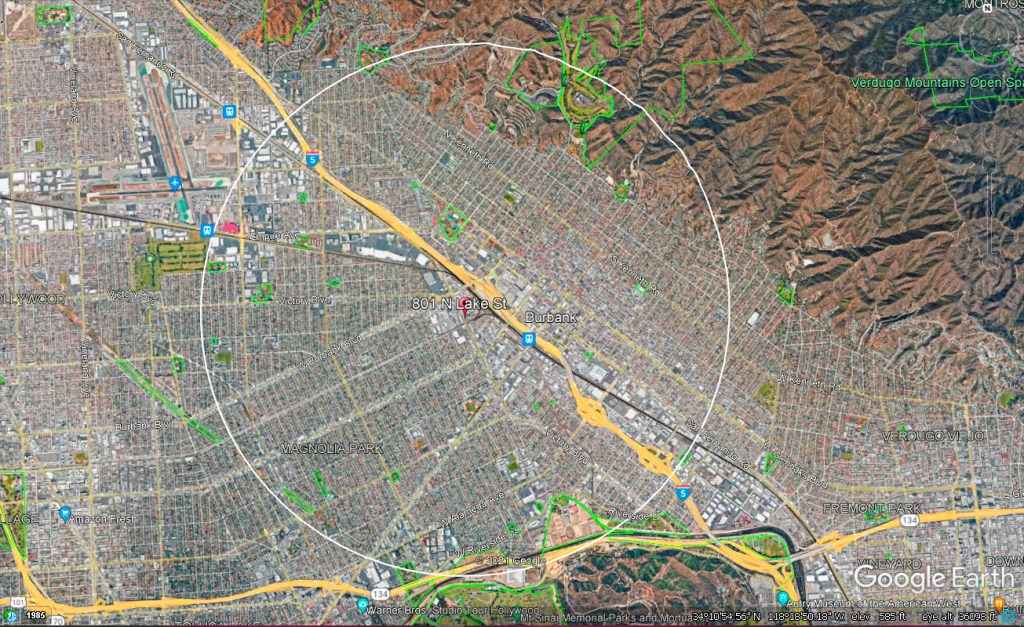
Range of possible Plutonium Contamination from the Burbank Nuclear Disaster January 18, 1968

The Demon Core was made popular in the movie “Fat Man and Little Boy” which combined two separate incidents where the scientists at Los Alamos were showing off and caused fission to take place killing in each case the show off scientist. It should be noted that spinning plutonium at high speed is not something that you want to do.

The Pu-Be core was made with pellets of Plutonium and the Berylium reflects the neutrons so you can create measured levels of neutron radiation, the radiation of fission found in nuclear reactors and atomic bombs. The US Navy Radiological Defense Lab had two of these devices as of 1960 which were about the size of a casing for a old movie projector and they used it to bombard ships with it to see how far into a ship the neutron radiation would penetrate, in order to make ships safer. When they turned it on they made sure everyone was in a separate building in shielding to protect themselves from the radiation. Not the public, just them. It is the same radiation found in a nuclear power plant or a nuclear detonation.

US Nuclear Corporation decided all on their own without any authorization to divide up the Plutonium into smaller amounts to make more devices.

Continue reading “Burbank CA Nuclear Accident January 18 1968 Placing a Demon Core on a Lathe”

List of Underground Storage Tanks in DC including the Washington Post which depends on Congress to protect it from the EPA

It is a PDF file.

The Washington Post Building is a toxic nightmare, mostly petroleum from leaking Underground tanks, they sold the site to Fannie Mae. Most of Washington appears to be a sea of oil and gasoline contamination. Amazing with all of the smoking it did not go up in flames.

Most printing plants are toxic waste sites. It would be interesting to see which papers are affected. Certainly all the major newspapers that have been in business since the 20th century would be affected. Ny Times? Boston Globe?

The San Francisco Chronicle is compromised as is all Hearst Publications due to the chemical contamination of their former printing plant in San Francisco.

They certainly need to come clean on this.

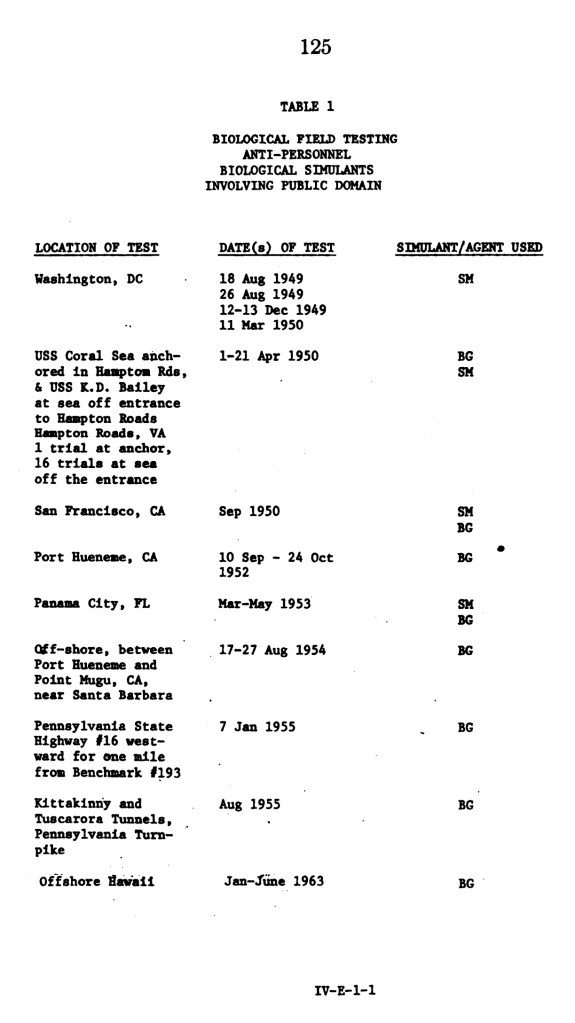
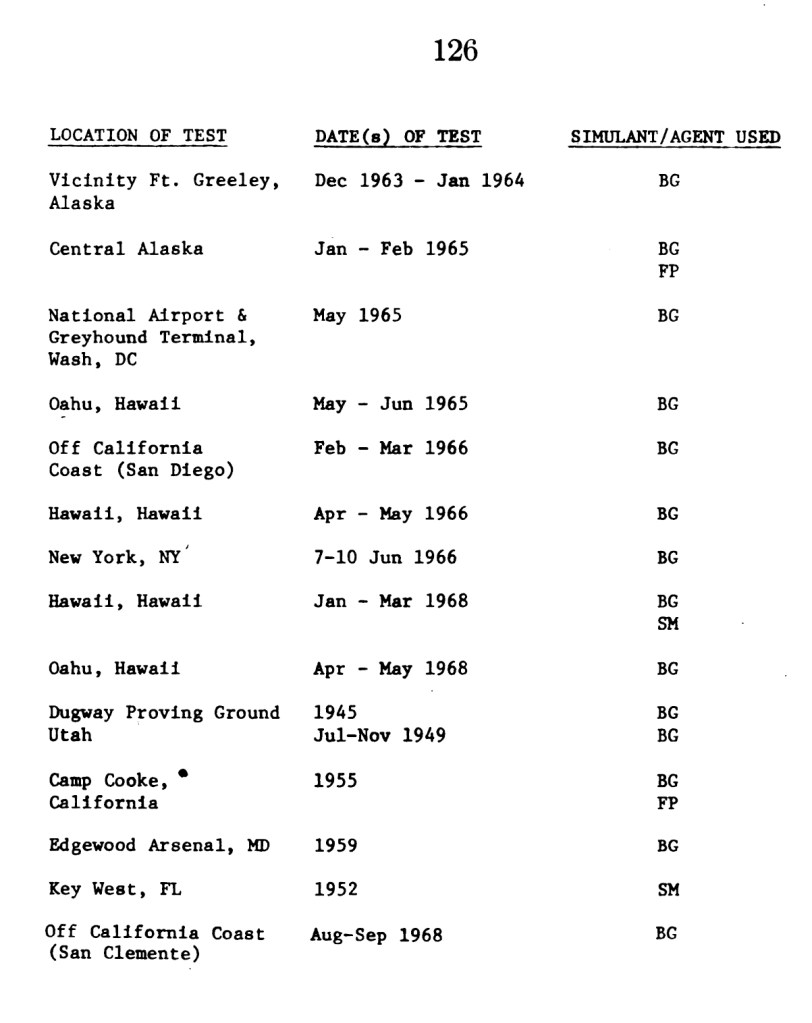
245 biological experiments on US citizens in cities and bases, Navy Biological Warfare Lab in SF Bay

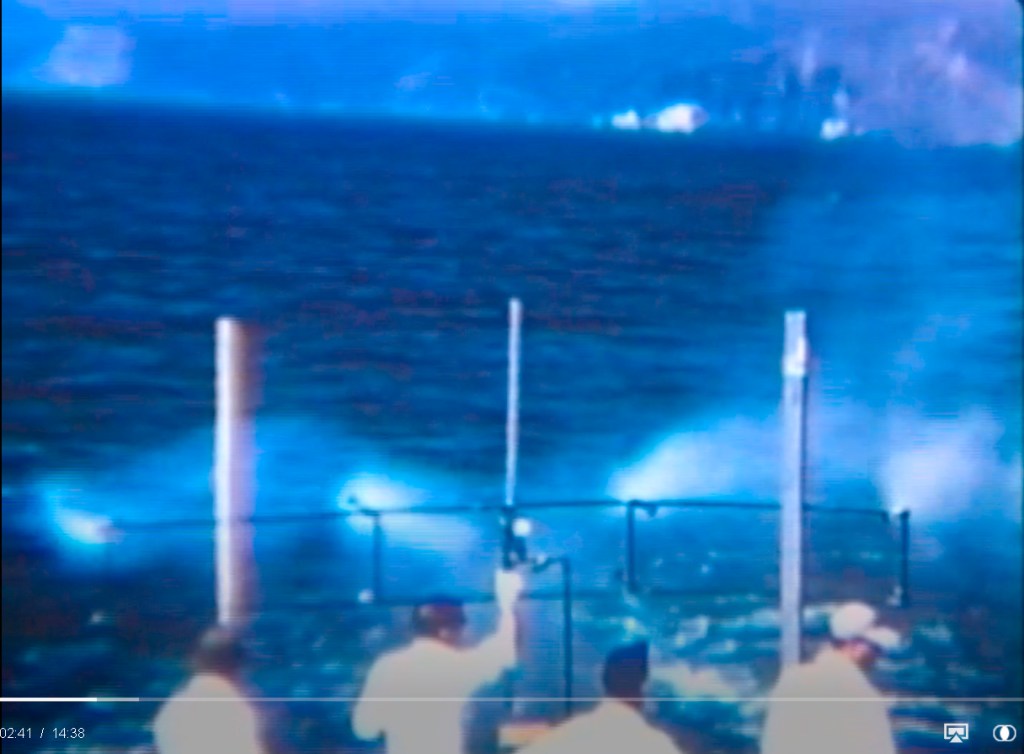
Film of the Navy purposely contaminating 43 square miles of San Francisco with Serratia marcescens in 1950 and in color, at 2:25 “Naval Concepts of Chemical and Biological Warfare” Naval Concepts of Chemical and Biological Warfare (1952), Department of Defense Film Production, National Archives and Records Administration Catalogue # 428.MN.9170A, Declassified NND Authority # 64044

This article will be divide up in sections:

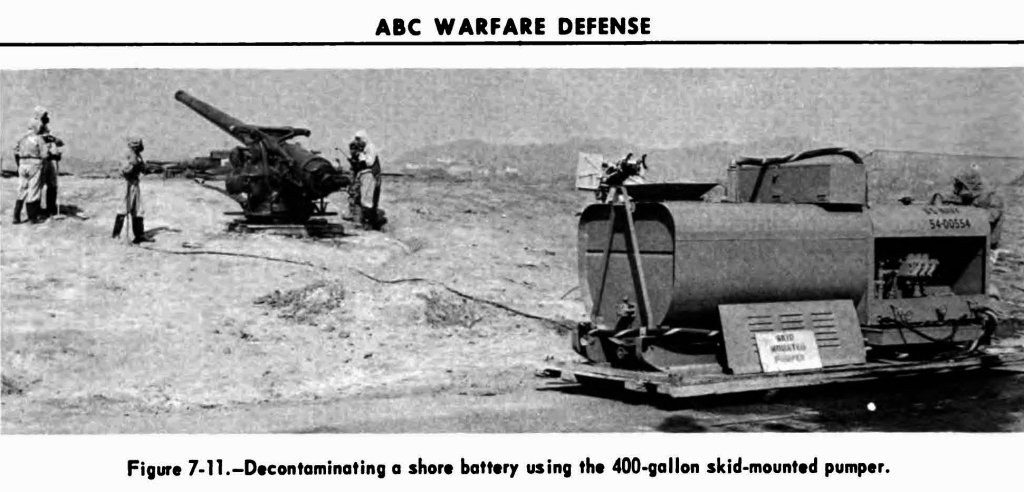
ABC Warfare Defense, Navy Training Course, Bureau of Naval Personnel, NAVPERS, 1960 10099 p 124
notice Alcatraz in the background and the headlands
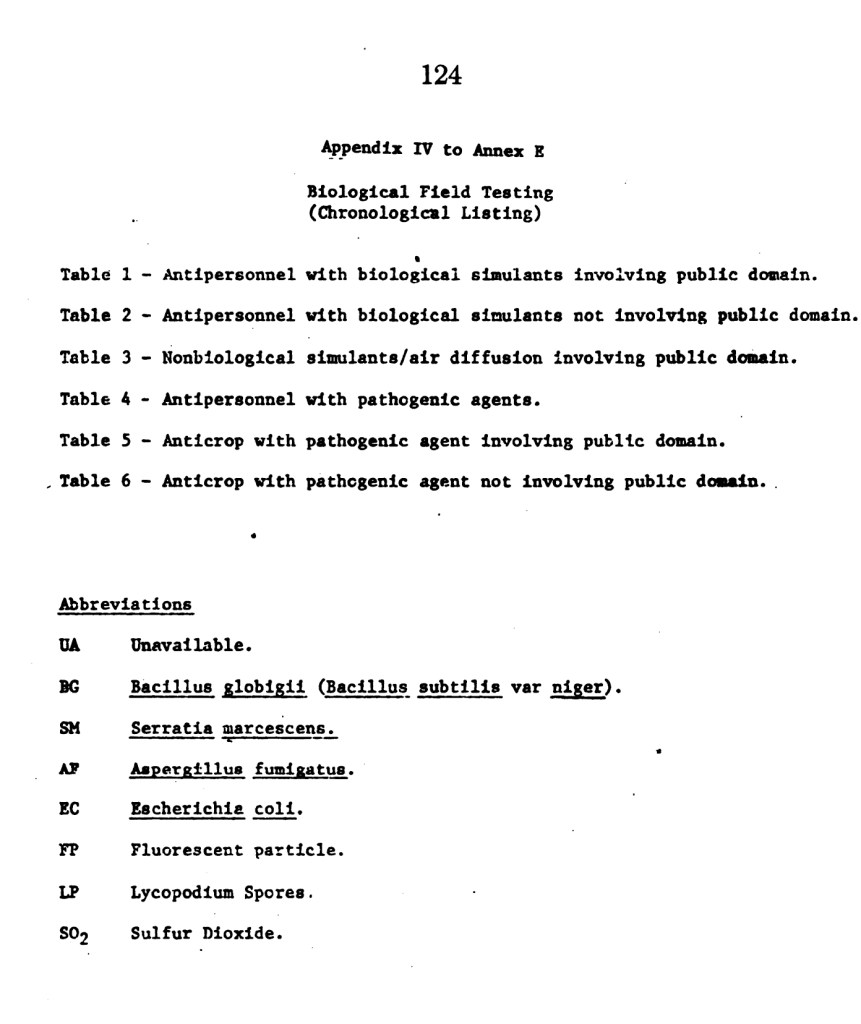
  • Biological testing involving human subjects by the Department of Defense, 1977 hearings before the Subcommittee on Health and Scientific Research of the Committee on Human Resources, United States Senate, Ninety-fifth Congress, first session … March 8 and May 23, 1977
  • p 124
  • Biological testing involving human subjects by the Department of Defense, 1977 hearings before the Subcommittee on Health and Scientific Research of the Committee on Human Resources, United States Senate, Ninety-fifth Congress, first session … March 8 and May 23, 1977
  • p 125
  • Biological testing involving human subjects by the Department of Defense, 1977 hearings before the Subcommittee on Health and Scientific Research of the Committee on Human Resources, United States Senate, Ninety-fifth Congress, first session … March 8 and May 23, 1977
  • p 126
    Continue reading “245 biological experiments on US citizens in cities and bases, Navy Biological Warfare Lab in SF Bay”

    Fort Baker Biological Lab for (LAIR) Letterman Army Institute of Research on the Presidio

    Today Fort Baker is a part of the Golden Gate National Park where they have a children’s museum and activities on the location of the US Army’s Biological Research Field Laboratory that was closed down when an outbreak of Q Fever swept the base in 1979. The Army called it an accident as they were experimenting on Sheep and goats that just so happen to have Q Fever, and the disease infected the base. There could be no other reason because the US signed onto the International Treaties that banned biological weapons in 1972.

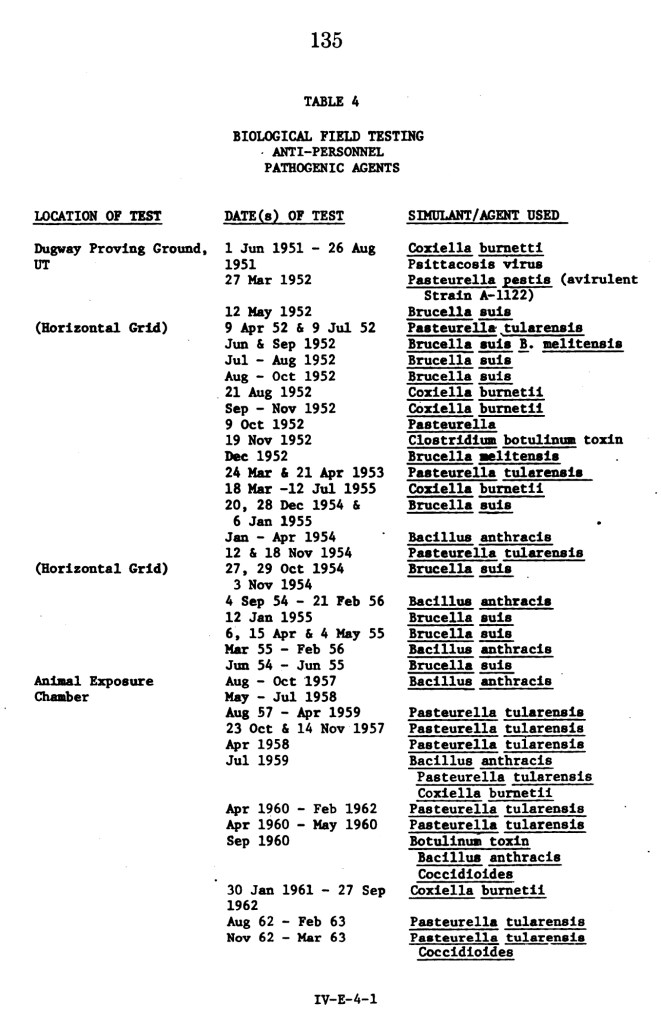
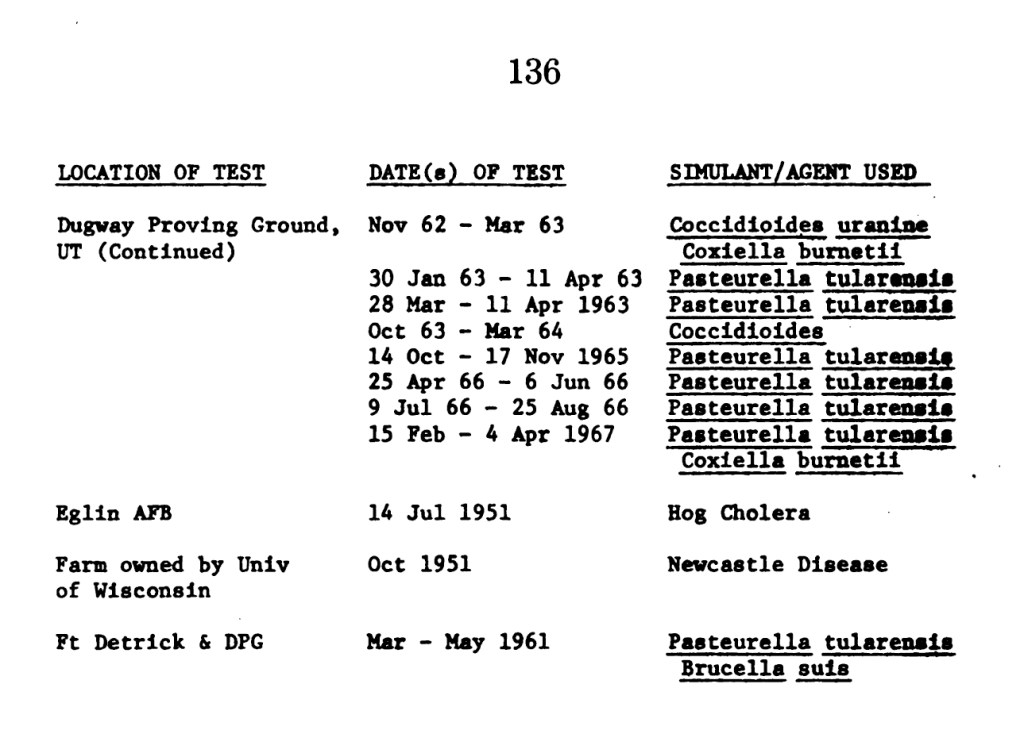
    But the Army used Q Fever (Coxilella Burnetii) in Biological Warfare Experiments from 1951 through 1967 at the Dugway Proving Grounds. See Main article “245 biological experiments on US citizens in cities and bases, Navy Biological Warfare Lab in SF Bay

  • Biological testing involving human subjects by the Department of Defense, 1977 hearings before the Subcommittee on Health and Scientific Research of the Committee on Human Resources, United States Senate, Ninety-fifth Congress, first session … March 8 and May 23, 1977
  • p 135
  • Biological testing involving human subjects by the Department of Defense, 1977 hearings before the Subcommittee on Health and Scientific Research of the Committee on Human Resources, United States Senate, Ninety-fifth Congress, first session … March 8 and May 23, 1977
  • p. 136

    During Desert Storm the Army claimed that the disease Q Fever had infected its soldiers in the field and that this was the first time it was seen by the military. That does not square with the records above. If they truly did not know about it, what does that say about the waste and lack of care in preserving documents?

    See: Anderson, A. D., Smoak, B., Shuping, E., Ockenhouse, C., & Petruccelli, B. (2005). Q Fever and the US Military. Emerging Infectious Diseases11(8), 1320-1322. https://doi.org/10.3201/eid1108.050314.

    Given that all of this research is classified at the time, has anyone in the military ever decided to keep track of research so as to avoid accidents like this or to build on previous research instead of inventing the wheel every time a disease crops up?

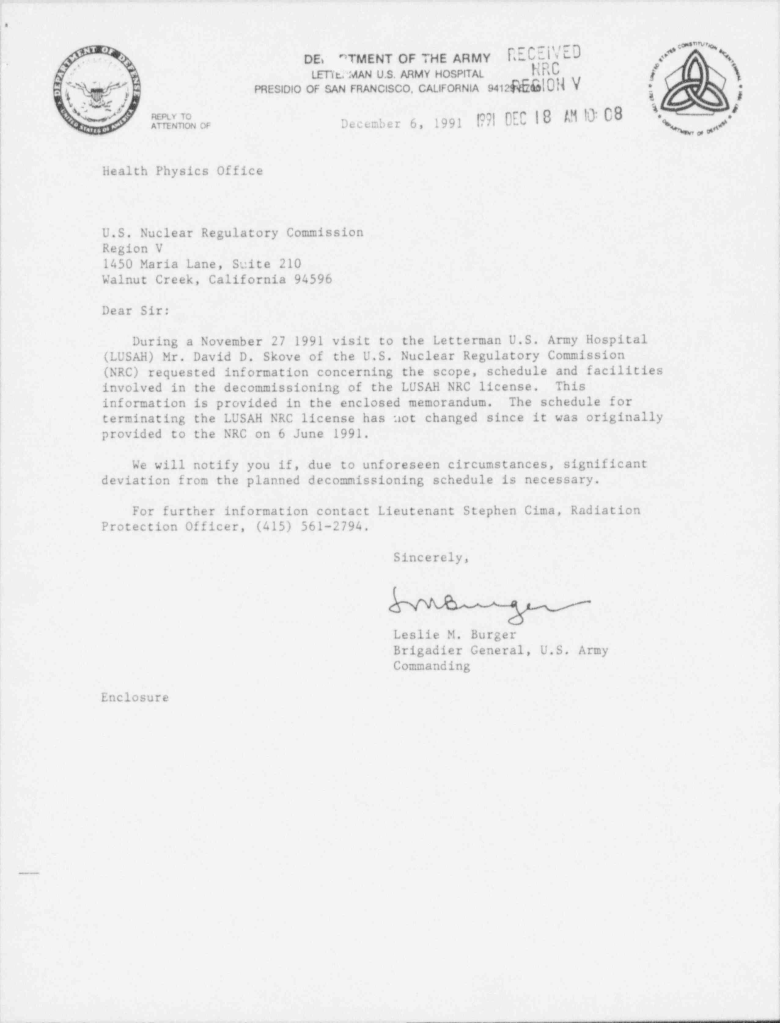
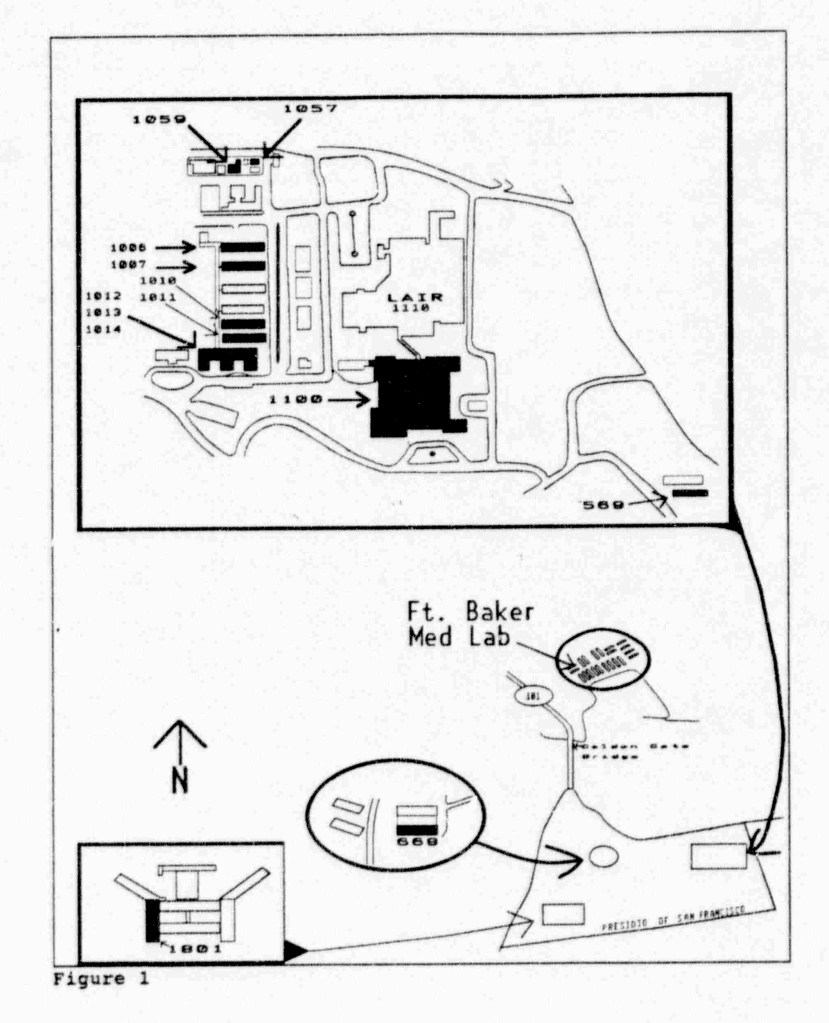
    LAIR Letterman Army Institute of Research (LAIR) was at the Presidio next to Letterman Army Hospital. Fort Baker was the field laboratory for both entities and the NRC regulated the Radiological Labs at all three locations. Here are is a the cover letter and map of the Radiation facilities from December 6 1991.

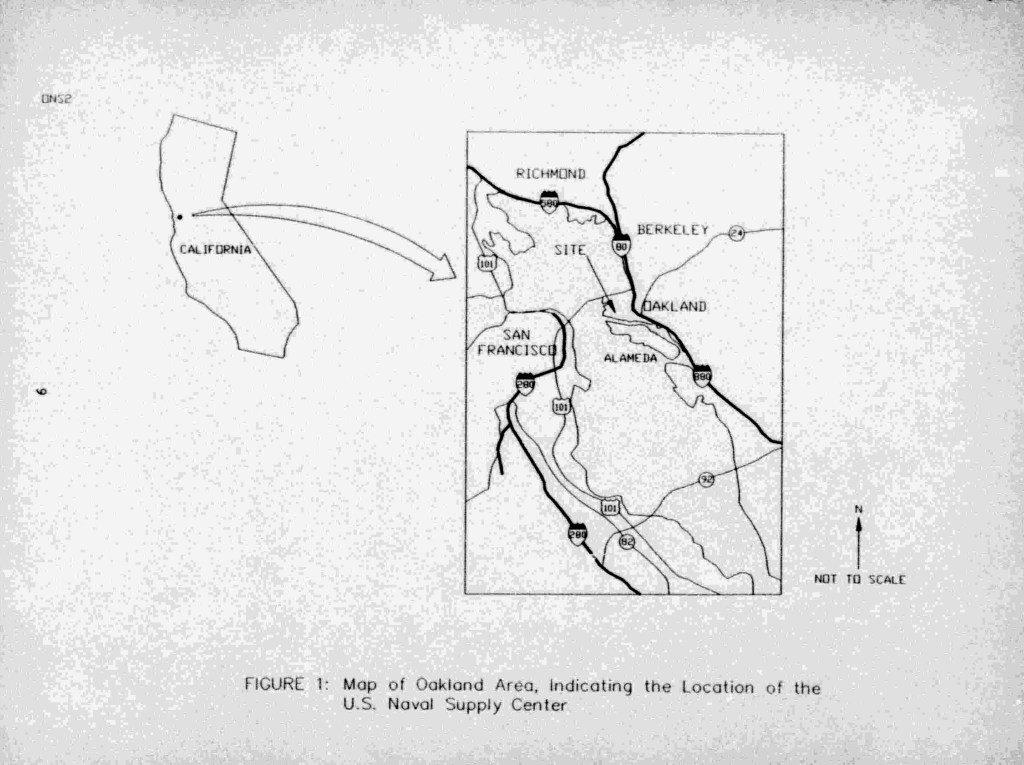
    The Naval Biological Warfare Laboratory at Oakland Supply Center and the University of California Berkeley

    The Naval Biological Warfare Laboratory in Oakland run by the University of California Berkeley, conducted experiments in infectious disease, fungii, Chemical, Biological and Radiological research for the purpose of protecting Naval Personnel in combat and to develop vaccines and therapeutic methods to treat diseases. Also notice the diseases that affect livestock are an example of a biological weapon. It is this lab that lead the way to the Polio Vaccine and other major works in saving lives. The site is now being developed for real estate.

    The following diseases are featured in this publication – PUBLICATIONS of the Naval Biological Laboratory, School of Public Health University of California and Naval Medical Research Unit #1 Berkeley, California 1942-1965. Notice the articles on dispersing disease over large areas.

    Note many of these diseases were used in Biological warfare tests on the unsuspecting public all over the United States. See main article “245 biological experiments on US citizens in cities and bases, Navy Biological Warfare Lab in SF Bay.”

    Acute toxicity of alcohol

    Anthrax – Bacillus anthracis and Bacillus cereus – Inactivated Bacillus anthracis and Bacillus cereus Biovar anthracis – https://www.cdc.gov/anthrax/basics/index.html

    Bacteriophageshttps://www.ncbi.nlm.nih.gov/books/NBK493185/

    Botulism – Botulinal toxin and hemagglutinin

    Bovine Rhinotracheitis Virus – The infectious bovine rhinotracheitis (IBR) virus belongs to the group of herpes viruses. It causes in cattle a severe disease predominantly in the upper respiratory tract. Morbidity rate is 100 percent
    https://pubmed.ncbi.nlm.nih.gov/165129/

    Brucella melitensis – Exposure to most species of Brucella, such as those associated with certain types of animals, could potentially lead to infection.
    https://www.cdc.gov/brucellosis/clinicians/brucella-species.html

    Catarrhal fever
    https://www.cfsph.iastate.edu/Factsheets/pdfs/malignant_catarrhal_fever.pdf

    Coccidioides immitis – fungus – coccidioidomycosis. Valley Fever
    https://www.cdc.gov/fungal/diseases/coccidioidomycosis/index.html

    Colorado tick fever virus
    https://www.cdc.gov/coloradotickfever/index.html

    Encephalomyocarditis viruses
    https://www.cfsph.iastate.edu/pdf/shic-factsheet-encephalomyocarditis-virus

    Hog Cholera Virus – Classical Swine Fever
    https://vetmed.iastate.edu/vdpam/FSVD/swine/index-diseases/classical-swine-fever

    Influenza

    Influenza B

    Klebsiella pneumoniae
    https://wwwnc.cdc.gov/eid/article/27/2/20-4662_article

    Malleomyces pseudomallei – Bacterium Melioidosis is also called Whitmore disease, Vietnamese time bomb, Nightcliff gardener’s disease, morphia injector’s septicaemia, and paddy-field disease. https://dermnetnz.org/topics/melioidosis

    Murine hepatitis
    https://www.ncbi.nlm.nih.gov/sites/ppmc/articles/PMC7095071/

    Pasteurella pestis – Plague Black Death

    Pneumonic plague in mice
    https://emergency.cdc.gov/agent/plague/faq.asp

    Polio
    https://www.cdc.gov/polio/what-is-polio/index.htm

    Serratia marcescens
    https://www.ncbi.nlm.nih.gov/pmc/articles/PMC3592283/

    Shigella
    https://www.mayoclinic.org/diseases-conditions/shigella/symptoms-causes/syc-20377529

    Staphylococci – Staph
    https://medlineplus.gov/staphylococcalinfections.html

    Tubercle bacilli – Tuberculosis
    https://www.cdc.gov/tb/

    Vesicular exanthema of swine – eradicated in 1956

    Vesicular-stomatitis Virus – horses cattle and swine
    https://www.aphis.usda.gov/aphis/ourfocus/animalhealth/animal-disease-information/cattle-disease-information/vesicular-stomatitis-info

    CONFIRMATORY RADIOLOGICAL SURVEY OF THE NAVAL BIOSCIENCES LABORATORY Region U.S. NAVAL SUPPLY CENTER, OAKLAND, CALIFORNIA, Radiological Site Assessment Program
    Manpower Education, Research, and Training Division, FINAL REPORT MAY 1988, P.R.COTTEN, at Nuclear Regulatory Commission Website
    Continue reading “The Naval Biological Warfare Laboratory at Oakland Supply Center and the University of California Berkeley”

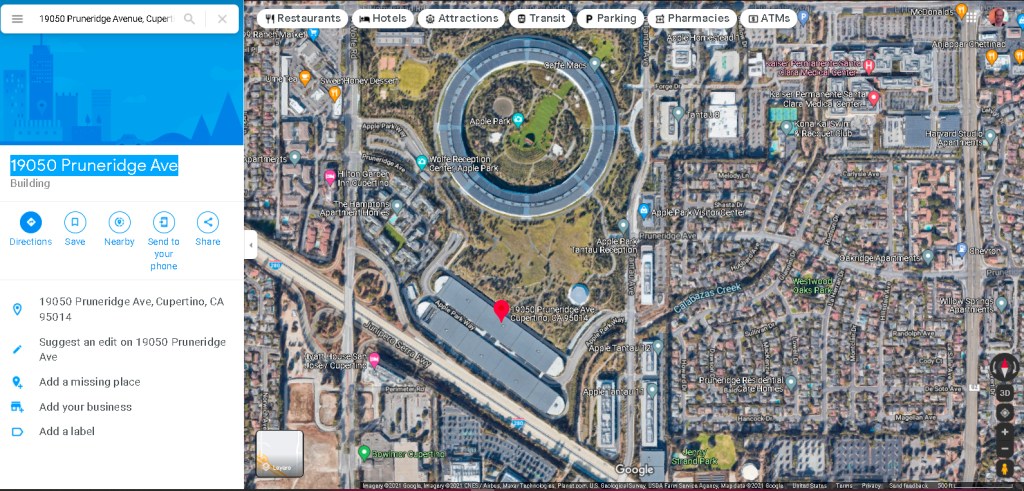
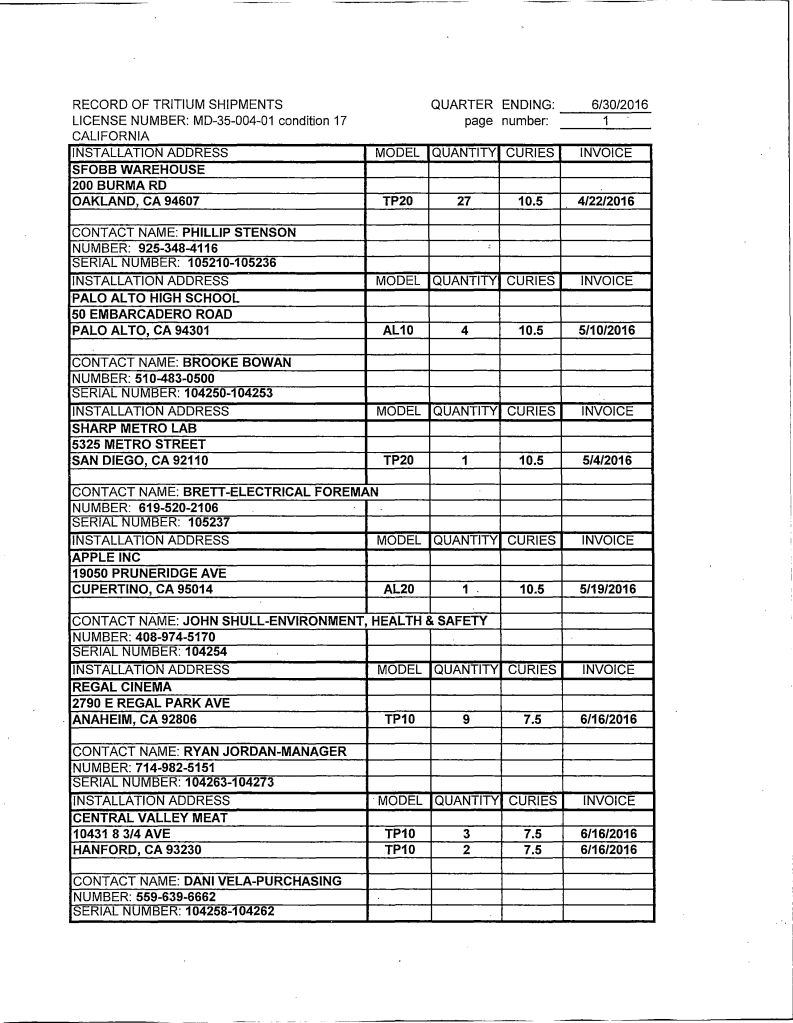
    Apple Tritium Shipment sent 19050 Pruneridge Ave Cupertino

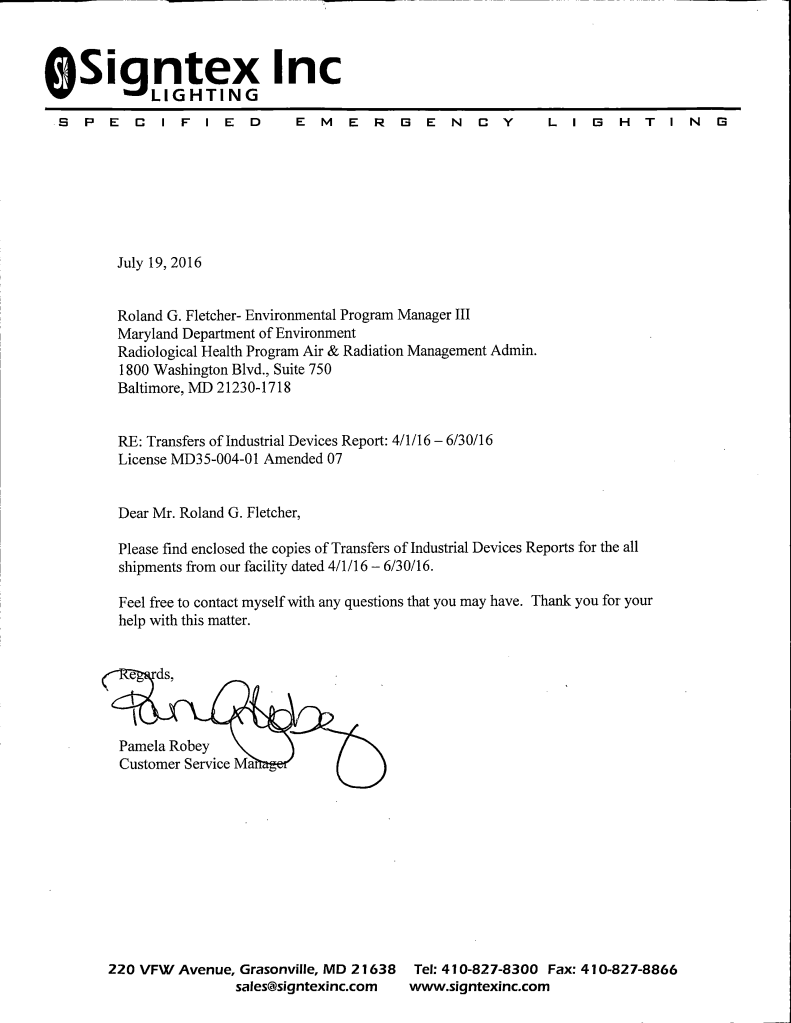
    I was about to type up a report on Fairchild Semiconductors in Mountain View using Tritium as a light source for their LCD displays at what is now a Google Quad building on 434 Ellis Street, Mountain View when I came upon this report showing Tritium being delivered to Apple at 19050 Pruneridge Ave Cupertino. 10.5 curies of Tritium which is a radioactive isotope of hydrogen that has a half life of 12.32 Years. This is an invoice for 4-01-2016 to 6-30-2016 and the cover sheet for the invoice is below. Source is Document at Nuclear Regulatory Commission website

    Google Map link
    Document at Nuclear Regulatory Commission website
    Document at Nuclear Regulatory Commission website

    Palo Alto Nuclear Reactor at Baylands Nature Preserve Trailhead and the Dover Nuclear Disaster

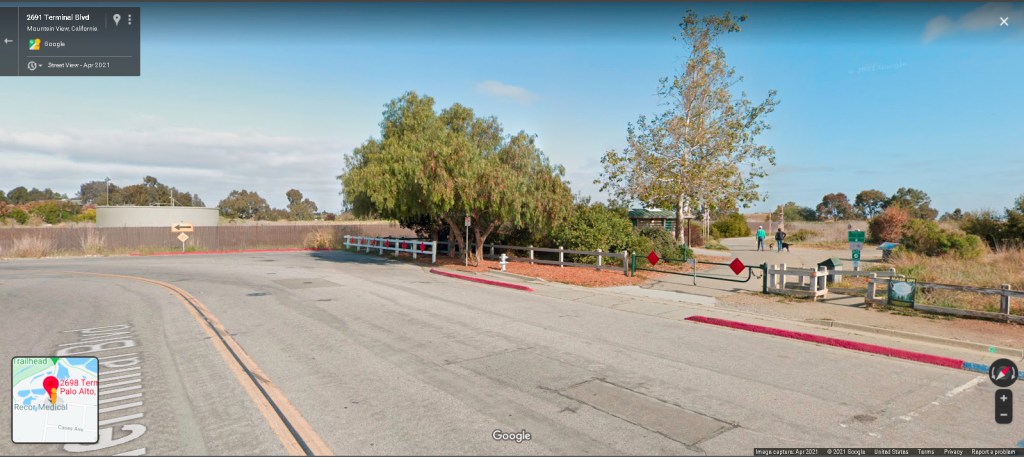
    On the left is a nuclear reactor core, on the right is the Palo Alto Baylands Nature Preserve Trailhead

    On the left is a nuclear reactor core, on the right is the Palo Alto Baylands Nature Preserve Trailhead. This company would have a nuclear disaster in a sister plant in New Jersey which resulted in the closure of all of their plants nationwide due to mismanagement.

    Google Map

    International Nutronics Inc ran the Palo Alto reactor also had a reactor in Dover New Jersey (below) that had a serious nuclear accident which the company did not report to the NRC and this resulted in the closure of this reactor in Palo Alto. The company started off at 200 Third St. Los Altos but they had three reactor sites, one in Irvine and this one and the Dover New Jersey plant and a sewage Treatment plant in Menlo Park where they irradiated sewage to kill bacteria.

    The Palo Alto facility had 750,000 Curies of C0-60 source and was used to irradiate food to kill bacteria and for cleaning medical equipment. Basically they would place these things in containers over the reactor and open it up to be irradiated.

    “The potential personnel radiation exposure hazard posed by the sources at large irradiators is substantial. For example, the unshielded dose from a 250,000 Ci Co-60 source is approximately 250,000 rem/hr (69 rem/sec) at 4 feet and approximately 25,000 rem/hr (6.9 rem/sec) at 13 feet. Therefore, a lethal dose could be received within minutes.” – Review of Events at Large Pool-Type Irradiators, E.A. Trager, Jr., Division of Safety Programs Office for Analysis and Evaluation of Operational Data U.S. Nuclear Regulatory Commission Washington, DC 20555 March 1989

    Continue reading “Palo Alto Nuclear Reactor at Baylands Nature Preserve Trailhead and the Dover Nuclear Disaster”

    Apple’s Stewart 1 Building is TRW Nuclear Site, Nuclear Worker Site

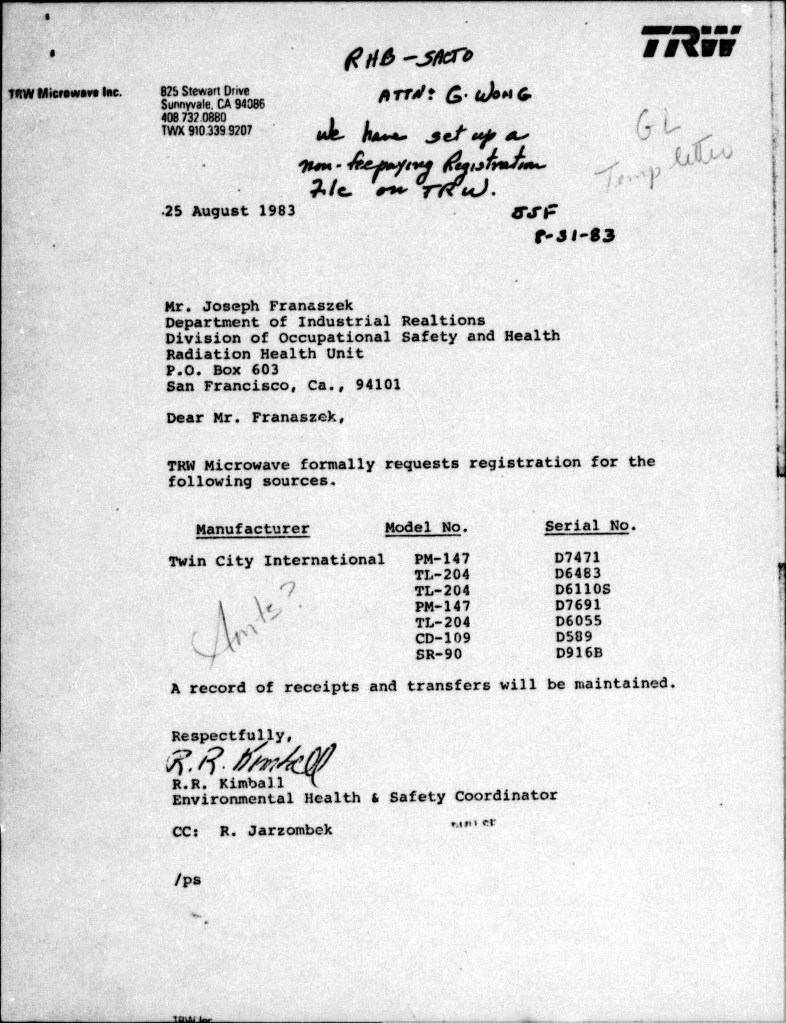
    TRW Microwave was registered with the State of California’s Department of Health with a Radiological Materials License and here is a list of their isotopes they received :

    PM-147 Promethium 147 (half life 2.6234 y) which goes through Beta Decay to become Samarium 147 (half life of 1.062278031456×10¹¹ y) which emits an alpha particle to become stable Neodymium 143

    TL-204 Thallium 204, yes the deadly poison, (half life) decay7s in two ways, one is a beta particle to Lead 204 which is a long term alpha particle emitter and the other is by electron capture to Mercury 204 which then emits 2 beta particles to become radioactive Lead 204 which although is considered stable it emits an alpha particle to become Mercury 200.

    CD-109 Cadmium has a half life of 462 days so the use of this isotope has to be very specific to be ordered for TRW. All of these isotopes are By Product meaning they were made in a nuclear reactor.

    SR-90 Strontium 90 half life of 28.9 years is one of the isotopes that are the result of nuclear explosions or nuclear reactors. It goes through beta decay to become Yttrium 90 which has a half life of 2.662037037037 days to become Ziconium 90. Strontium 90 is one of the worst isotopes for contamination as it has a long half life and it along with Cesium 137 and Cobalt 60 are what people fear in fallout from a nuclear explosion.

    IsotopeNameRadiationHalf life
    PM- 147Promethium 147Beta2.6234 y
    TL- 204Thallium 204Beta, e and then 2 beta3.773465246068 y
    CD 109Cadmium 109e462 days
    Sr-90Strontium 90beta28.9 y

    The report below does not give amounts but a quick search reports many companies including Teledyne in Palo Alto receiving another list of isotopes and unfortunately the State of California is terrible at keeping records of radio-isotopes and their transfers. There is a whole list of sites and I will be posting those under separate articles.

    Silicon Valley was Nuclear Valley before it was Silicon Valley, it was the nuclear industry with its need for precision equipment that fueled the creation of these companies.

    From Nuclear Regulator Commission
    From Nuclear Regulator Commission

    This is TRW’s heath and Safety Manual. Note on page 16 the list of isotopes used

    From NRC https://adamswebsearch2.nrc.gov/webSearch2/main.jsp?AccessionNumber=ML20202A974
    Continue reading “Apple’s Stewart 1 Building is TRW Nuclear Site, Nuclear Worker Site”

    Why is it snowing inside the Nuclear Power Plant?

    Oh By the Way – Nuclear Reactor Accidents

    Surry 2 Nuclear Power Plant Virginia 12/9/86

    Summary of Incident: Forty seconds after a reactor trip, a main feed water elbow ruptured, releasing steam and water into the turbine building. This water shorted out the security card readers for all the plant and entered a fire protection control panel through an open conduit, shorting several circuits and actuating 62 sprinkler heads. The sprinkler water leaked into the control panels to the Cable Tray Rooms CO2 suppression system and for the Emergency Switchgear Rooms Halon suppression systems, shorting control circuits and actuating the CO2 and Halon systems. The main CO2 supply tank was emptied, CO2 and Halon leaked into the control room, and a worker was momentarily trapped between the C02, the Halon, and an inoperable security door. CO2 generated 2 feet of snow in the cable room.” page A.1-29

    Evaluation of Generic Issue 57:
    Effects of Fire Protection
    System Actuation on
    Safety-Related Equipment
    1992

    Note: “Scram” or “Trip” means a shut down of the reactor.

    When the Loma Prieta Earthquake hit, the nuclear industry in the Bay Area had a sudden crisis, an Oh Sh1t crisis! The automatic fire prevention sprinkler systems failed on 80 nuclear sites regulated by Nuclear Regulatory Commission (NRC) causing electrical shorts in the instrumentation because the Nuclear Industry was not waterproof until after the Earthquake.

    This article includes some of the 140 accidents from 1980 to 1989 that were reported in “a round about way” instead of the official channels.

    “Nuclear Power is Safe” According to the Department of Energy and the Nuclear Regulatory Commission and in order to maintain that safety record accident reports were discouraged especially ones where its snowing in the Cable Room of a Nuclear Power plant!

    At Treasure Island the Navy flat out denied that there was any radiation on the island. Northing was buried in the ground and yet they were digging up radioactive materials out of the ground. But the official reports denied it 1994 Baseline Survey Report.

    Instead accidents were reported to the U.S. Nuclear Regulatory Commission Advisory Committee on Nuclear Safeguards (ACRS) in correspondence on other topics beginning with the words “Oh by the way, this happened . . .

    Ginna New York 11/14/81

    Summary of Incident: During a test on satellite station “A”, workers  inadvertently activated the control circuits to the water spray solenoid valve actuators, actuating the sprinkler systems in several plant areas. Some water entered the control rod drive switchgear cabinet, causing two control rods to be misaligned to the fully withdrawn position. The water also tripped one Reactor Protection System motor generator set. Operators manually tripped the reactor.

    Continue reading “Why is it snowing inside the Nuclear Power Plant?”